How To Recover Waste Heat From Air Compressor?
How to Recover Waste Heat from Air Compressor?
Waste heat recovery methods
Hot water recovery system:
Use waste heat generated by the air compressor to heat water for industrial or residential hot water use.
Transfer heat from the compressor's cooling water or gas to a water tank through a heat exchanger.
Air heating:
Use waste heat to heat air for heating or other processes.
Install an air preheater to transfer waste heat to the intake air, improving system efficiency.
Steam generation:
Use waste heat to heat water and generate steam, which is used to drive turbines or other equipment.
Suitable for applications requiring steam in large-scale production processes.
Cogeneration:
Combining waste heat recovery with power generation equipment to generate electricity from waste heat further improves energy efficiency.
Convert waste heat into electricity through thermoelectric conversion technology.

Implementation steps
Evaluate waste heat sources:
Identify the sources of waste heat from the air compressor, including cooling water, exhaust gas, and casing heat dissipation. Selecting the appropriate heat exchanger:
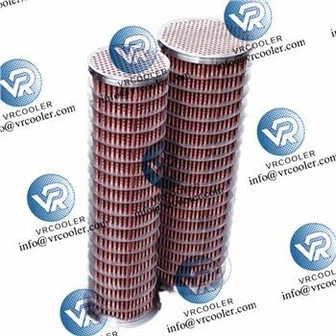
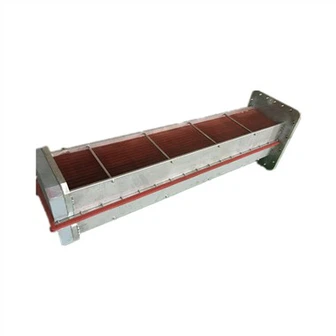
Select the appropriate heat exchanger based on application requirements, such as a plate heat exchanger, finned tube heat exchanger, etc.
Designing the system layout:
Designing the piping layout for the waste heat recovery system to ensure smooth fluid flow and minimize energy loss.
Installation and commissioning:
Install the heat exchange equipment and piping, ensuring proper sealing to prevent leaks.
Commission the system to ensure proper operation and monitor temperature and flow rates.
Regular maintenance:
Inspect the system regularly and clean the heat exchanger to ensure efficiency.
Monitor system performance and make timely adjustments and optimizations.
Benefits:
Energy saving and emission reduction: Reduce energy consumption and emissions, improving overall energy efficiency.
Cost reduction: Recovered waste heat can be used in other processes, reducing energy costs.
Improving equipment life: Reducing the load on the air compressor and extending equipment life.