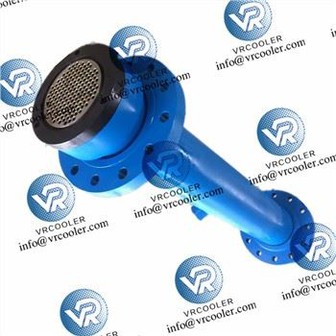
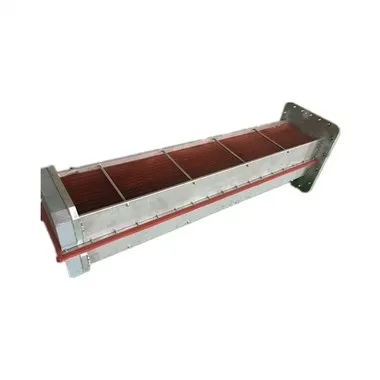
How To Maintain And Clean The Fresh Water Cooler For The Engine?
Maintaining and cleaning the fresh water cooler for an engine is crucial to ensure its optimal performance and the engine's normal operation.
Here are the detailed steps and methods:
Maintenance
Regular Inspection of Seals
Frequency: Inspect the cooler's seals and gaskets every 100 hours of engine operation or at least once a month.
Method: Visually check for any signs of leakage around the joints and connections. If there are traces of water or coolant, it indicates a potential seal problem. Gently press on the seals to check for softness, cracks, or deformation. Replace any damaged or worn seals immediately.
Fluid Level and Quality Monitoring
Fluid Level: Check the levels of both the fresh water and engine coolant weekly. The fluid levels should be within the recommended range marked on the cooler or in the engine's manual. Top up with the appropriate fluid if the levels are low.
Fluid Quality: Test the quality of the fresh water and coolant every 3-6 months. Use a refractometer to check the coolant's concentration and ensure it provides adequate protection against freezing and corrosion. If the fluid appears cloudy, discolored, or has a strange odor, it may be contaminated and should be replaced.
Inspection of Hoses and Connections
Frequency: Examine the hoses and connections every 50-100 hours of engine operation.
Method: Check for cracks, bulges, or signs of wear on the hoses. Ensure that all connections are tight and free from leaks. Tighten any loose connections and replace damaged hoses promptly.

Cleaning
External Cleaning
Surface Cleaning: Regularly wipe the exterior of the cooler with a clean, damp cloth to remove dust, dirt, and debris. For more stubborn dirt, use a mild detergent and a soft brush. Avoid using abrasive materials that could scratch the surface.
Fin Cleaning: If the cooler has fins, use a soft-bristle brush or compressed air to remove dust and dirt from between the fins. Ensure that the fins are not bent or damaged, as this can affect heat dissipation. Straighten any bent fins carefully with a fin comb.
Internal Cleaning
Draining the Fluid: Before cleaning the inside of the cooler, make sure the engine is cool and then drain the fresh water and coolant into a suitable container. Follow the manufacturer's instructions to locate and open the drain valves.
Flushing with Water: Use a low-pressure water source to flush out the inside of the cooler. You can connect a hose to the inlet or outlet of the cooler and let the water flow through in the opposite direction of the normal flow. Repeat this process until the water runs clear.
Chemical Cleaning: If there is significant scale or corrosion buildup, you may need to use a suitable cleaning agent. Follow the manufacturer's instructions for the proper concentration and application method. Typically, you can circulate the cleaning solution through the cooler for a specified period, usually 1-2 hours, and then flush it out thoroughly with clean water.
Final Inspection: After cleaning, visually inspect the inside of the cooler for any remaining debris or signs of damage. Ensure that all passages are clear and there are no leaks. Refill the cooler with the appropriate fresh water and coolant mixture according to the engine's requirements.