How To Keep Your Air Compressor Cool?
How to keep your air compressor cool
Air compressors generate a lot of heat during operation, so it's important to keep them cool to prevent damage to the compressor and ensure their long-term reliability. Here are some ways to keep your air compressor cool.
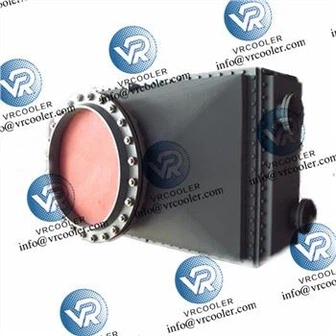
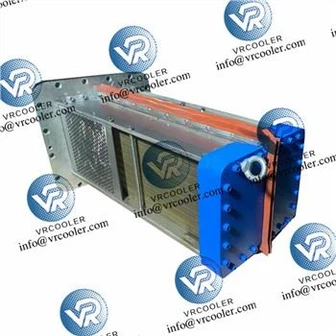
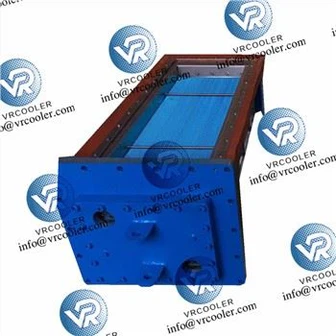
High quality coolers: regularly service the intercooler, aftercooler and oil cooler of your air compressor. Ensure that the coolers provide effective heat dissipation to the air compressor.
Provide adequate ventilation: Ensure that your air compressor is located in a well-ventilated area with adequate airflow. If the compressor is placed in a confined space, it will restrict airflow, which can lead to overheating.
Clean the air filter: Over time, the air filter on your air compressor can become clogged with dust and debris. This can restrict airflow and lead to overheating. Clean the air filter regularly to ensure adequate airflow and to keep the compressor cool.
Check the oil level: Low oil levels can cause the compressor to overheat. Ensure that the oil level in the compressor is checked regularly and topped up when necessary.
Use synthetic lubricants: Synthetic lubricants dissipate heat better than conventional lubricants and help keep the compressor cool.
Install a cooling fan: If your compressor tends to overheat, you can install a cooling fan to help dissipate the heat. Make sure that the fan is installed correctly and that it is the right size for your compressor.
Reduce the load: Running an air compressor at full load for long periods of time can cause it to overheat. Try to reduce the load on your compressor by using it for shorter bursts or by investing in a larger capacity compressor.
Regular maintenance: Regular maintenance is essential for the proper operation of your air compressor. Schedule regular maintenance checks to ensure that all components are working properly, including belts, pulleys and hoses.
Monitor the temperature: Keep an eye on the temperature gauge of the compressor during operation. If the temperature starts to rise, stop the compressor immediately and investigate the cause of the problem.
Check for leaks: Air leaks can cause the compressor to overwork and overheat. Regularly check hoses and fittings for leaks and repair them promptly.
Choose the correct size of air compressor: It is vital that you choose the right size air compressor for your needs. A compressor that is too small in size will have to work harder, leading to overheating, while a compressor that is too large in size will be inefficient and wasteful.
Use a high quality air filter: Using a high quality air filter helps to prevent dust and debris from blocking the compressor's air inlet, thus reducing the risk of overheating.
Use heat-resistant materials: If your air compressor generates a lot of heat, consider using heat-resistant materials for the hoses and other components. Heat resistant materials can withstand high temperatures and reduce the risk of damage or failure.
Use an automatic drain valve: An automatic drain valve can help prevent moisture build-up in the compressor, which can lead to corrosion and overheating. Moisture build-up can also lead to reduced airflow and an increased risk of overheating.
Follow the manufacturer's recommendations: Always follow the manufacturer's recommendations for proper operation, maintenance and troubleshooting. The manufacturer's recommendations may include specific instructions for keeping the compressor cool and preventing overheating.
By following these additional tips, you can further improve the performance and service life of your air compressor. Remember that when it comes to overheating air compressors, prevention is better than cure. Regular maintenance, proper operation and good ventilation will help prevent overheating and extend the life of your compressor.