How To Design Remote High/Low Temperature Radiators For Gas Engines?
How to Design Remote High/Low Temperature Radiators for Gas Engines?
There are several factors to consider when designing a remote high and low temperature radiator, including the power of the gas engine, operating conditions, heat dissipation needs, and space constraints.
Below are the general steps for designing a remote high and low temperature radiator:
Determine the heat dissipation requirements: first of all, it is necessary to determine the heat dissipation requirements of the gas engine under different operating conditions, including high and low temperature conditions.
Select the type of radiator: According to the heat dissipation needs and space limitations, select the appropriate type of radiator. Common types of radiators include water-cooled radiators and air-cooled radiators.

Remote design: A remote design means that the radiator can be placed away from the engine, which helps minimize the impact of engine heat on other systems. Determine where the radiator will be mounted and how it will be connected.
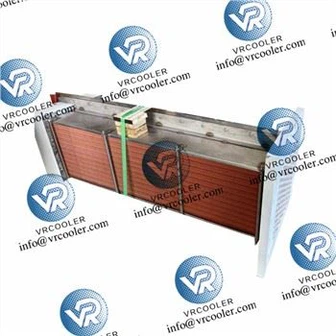
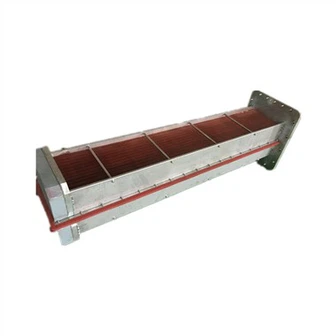
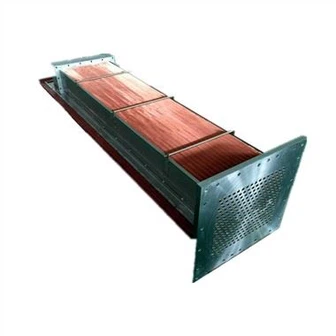
High and Low Temperature Radiator Design: Two separate radiator units are designed for high and low temperature conditions. High temperature radiators are used for high temperature cooling media, such as engine cooling water, while low temperature radiators are used for low temperature media, such as air.
Radiator sizing and material selection: Determine the size of the radiator based on heat dissipation requirements and space constraints. Select appropriate radiator materials, such as aluminum alloy or copper alloy, to ensure good heat dissipation performance and durability.
Air duct design: Design appropriate air ducts to ensure smooth air flow and enable the radiator to fully utilize the ambient air for heat dissipation.
System integration: Integrate the designed remote high and low temperature radiator with the gas engine to ensure that it can effectively dissipate heat and meet performance requirements.
During the design process, close attention needs to be paid to the operating conditions and performance requirements of the gas engine, and appropriate thermodynamic analysis and simulation to verify the effectiveness of the design. In addition, considering the various operating environments and loads that the gas engine may face, adequate reliability analysis and testing are required to ensure the stability and reliability of the design.