How To Cooling The High Temperature Waste Heat in Power Generation Process
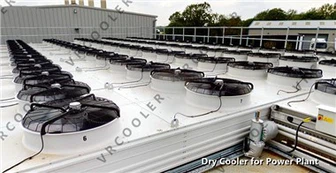
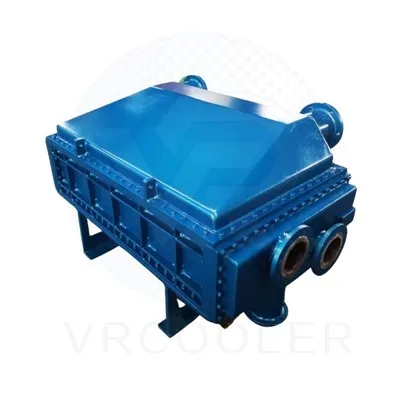
High and low temperature dry cooler for power plant is a kind of equipment used in the cooling system of power plant, which is mainly used to cool the high temperature waste heat generated in the process of power generation, so as to improve the efficiency of the system and save energy.
High and low temperature dry cooler generally consists of the following parts:
High-temperature section dry cooler: Handling high-temperature waste heat, generally using air or water as the cooling medium. The high-temperature section of the dry cooler can cool the high-temperature gas to the medium temperature range and is usually used for the primary cooling of the turbine exhaust.
Low-temperature dry coolers: Handle medium-temperature waste heat that has already been cooled in the primary cooling stage, and further reduce the temperature to a range close to the ambient temperature. Low-temperature dry coolers generally use ambient air as the cooling medium to achieve the final cooling effect.

Principle of operation
The high and low temperature dry cooler cools down the high temperature waste gas gradually through phased cooling, avoiding the waste of energy and equipment loss brought about by one-time drastic cooling. The specific working principle is as follows:
High-temperature section cooling:
High-temperature exhaust gas first enters the high-temperature section of the dry cooler, where the temperature is lowered to the medium temperature range through heat exchange with the cooling medium (e.g. air or water).
Low temperature section cooling:
The medium-temperature exhaust gases continue to enter the low-temperature section of the dry cooler, where they are again exchanged with the ambient air and further cooled down to the temperature level required for discharge or reuse.
Advantages
Improvement of thermal efficiency: Segmented cooling allows for more effective utilization of exhaust heat and improves overall thermal efficiency.
Energy saving and environmental protection: By lowering the temperature of the exhaust air, thermal pollution and energy consumption can be reduced.
Equipment protection: Gradual cooling reduces the thermal shock of the equipment and prolongs its service life.
Applications
High and low temperature dry coolers are widely used in various types of power plants, including thermal power plants, nuclear power plants and gas power plants. In these applications, HTDCs play a key cooling role in ensuring stable operation and energy efficiency optimization of power generation equipment.