How Remote Radiators For Gas Generators Work?
How remote radiators for gas generators work
The working principle of remote radiators for gas generators is based on heat transfer and convection of hot air for heat dissipation.
The following are the basic principles of operation:
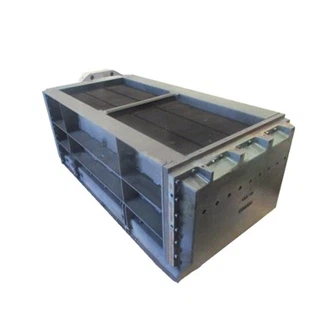
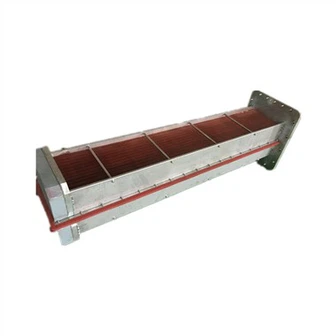
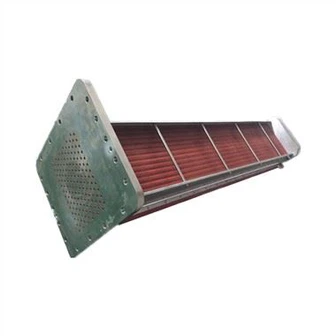
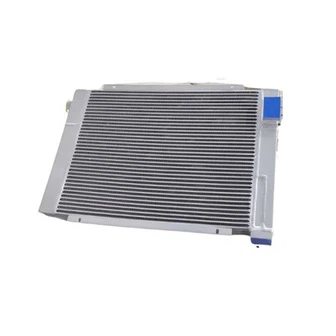
Heat transfer: The heat generated by the gas generator flows through pipes in the core of the radiator. The radiator core is usually made up of copper tubes and aluminium fins, metals with good heat transfer properties. Heat is transferred from the coolant of the generator set or from the engine surface to the pipes in the radiator core.
Convection cooling: By running an electric fan, outside air is drawn into the ducts of the remote radiator and through the aluminium fins of the radiator core. The airflow generated by the fan passes through the radiator core and comes into contact with the metal surfaces where the heat is exchanged, removing the heat from the metal surfaces.
Hot air discharge: The hot air passing through the radiator core is blown out by the fan away from the generator set. In this way, the hot air is effectively distributed into the surroundings, thus reducing the temperature of the generator set.
Control systems: Some remote radiators are equipped with control systems to monitor and control the operation of the radiator. The control system can automatically adjust the fan speed to provide the appropriate heat dissipation depending on the temperature and load of the generator set.

Through a process of heat transfer and convection cooling, gas generator remote radiators are able to efficiently dissipate the heat generated by the generator away from the generator set. This helps to reduce the temperature of the generator set, keeping it within safe operating limits and increasing the efficiency and reliability of the generator set.
It is important to note that the design and installation of remote radiators should be tailored to the specific generator set specifications and environmental conditions to ensure the performance and effectiveness of the radiator. In addition, regular cleaning and maintenance of the remote radiator is an important step in maintaining its thermal performance.