How Does Marine BOX COOLER Work?
How does Marine BOX COOLER work?
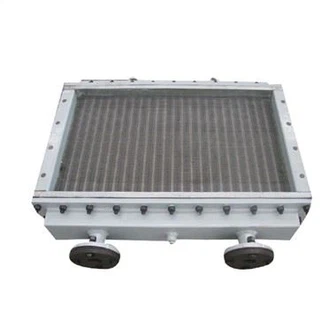
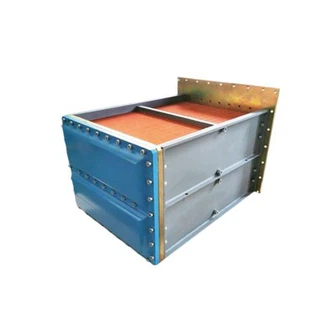
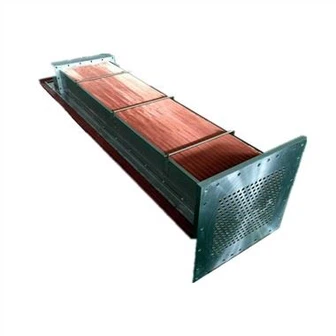
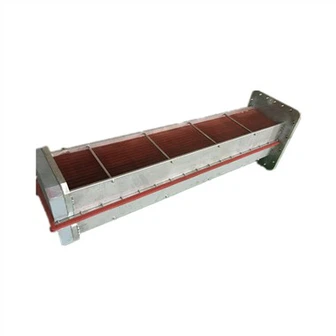
The working principle of the Marine BOX COOLER is based on a closed heat exchange system for cooling engines and other mechanical equipment on board ships. It reduces the temperature of the engine or other equipment by exchanging heat between an internal coolant and external seawater.
Below are the detailed steps of how it works:
Coolant absorbs heat:
Marine engines and other mechanical equipment generate a lot of heat during operation, and the Marine BOX COOLER's internal coolant (usually fresh water or antifreeze) circulates in a closed system, absorbing the heat generated by the engine and other high temperature areas as it passes through them.
Coolant flows into the cooler:
Heated coolant flows from the engines into a Marine BOX COOLER mounted outside the hull. This cooler is usually located below the ship's draft line and is in direct contact with the outside seawater.
Seawater is used as a cooling medium:
The seawater flows outside the cooler, while the coolant flows in pipes inside the cooler. Although the two are not in direct contact, the heat in the coolant is transferred to the pipe wall through heat conduction in the pipes and fins, and then to the seawater through the cooling fins outside the pipes. The seawater flows naturally outside the hull, carrying away this heat.
The coolant cools down and returns:
As it passes through the cooler, the heat in the coolant is carried away by the seawater, thus the coolant temperature drops. The cooled down coolant is then pumped back to the ship's engines or other equipment for another cooling cycle.