How Does An Air Compressor Cooler Work?
Air compressor coolers work by cooling the compressed air produced by the air compressor. Due to the compression process, compressed air tends to become very hot, which can lead to problems such as reduced efficiency and increased wear and tear on the compressor.
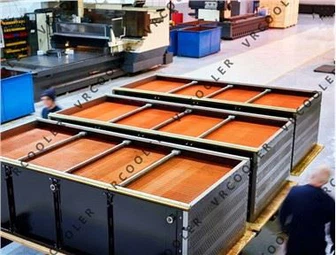
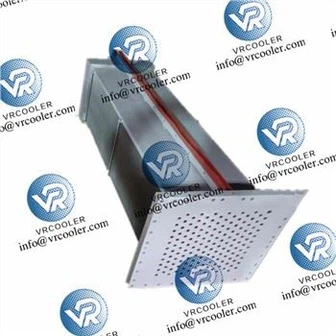
To cool the compressed air, the air is usually passed through a heat exchanger, a device designed to transfer heat from one fluid to another. In this case, the compressed air is the fluid to be cooled, and the heat exchanger uses a separate fluid (such as water or refrigerant) to absorb the heat and dissipate it.
Heat exchangers can use either air cooling or liquid cooling to transfer heat. In air-cooled systems, the heat exchanger has fins or other protrusions that increase the surface area of the heat exchanger, allowing air to flow over the surface and carry heat away. In liquid-cooled systems, the heat exchanger is submerged in a liquid (e.g. water or coolant) which absorbs the heat and carries it away from the heat exchanger.
The cooled compressed air can be used in various applications, for example to power pneumatic tools or equipment, or for industrial processes. By cooling the compressed air, air compressor coolers help to maintain the efficiency and reliability of the air compressor and help to prevent damage to the compressor or other equipment that uses compressed air.