How Does A Generator Hydrogen Cooler Work?
How does a generator hydrogen cooler work?
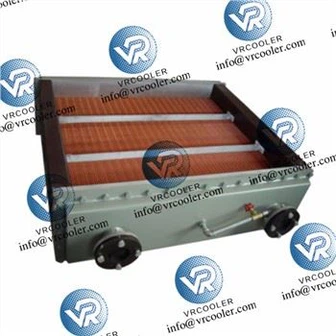
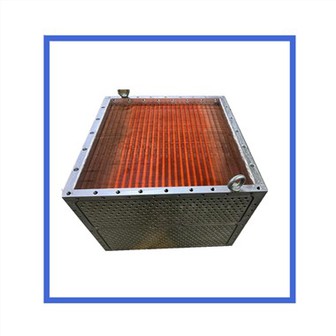
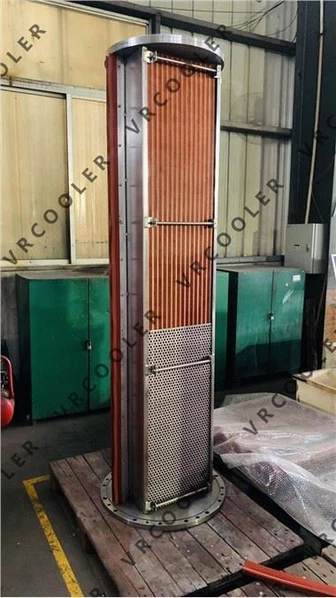
A generator hydrogen cooler is a piece of equipment used to cool the hydrogen in an electric power generator, mainly by means of water cooling to reduce the temperature of the hydrogen and thus improve the efficiency and safety of the power transmission. The principle of operation is as follows:
Firstly, high temperature hydrogen is introduced inside the hydrogen cooler through the hydrogen inlet pipe. Inside the hydrogen cooler, the hydrogen gas exchanges heat with the cooling water flowing through the cooling bundle, thereby reducing the temperature of the hydrogen gas.
Secondly, the cooling water enters the interior of the heat exchanger and passes through the cooling tube bundle, where it is heat exchanged with the hydrogen, thereby reducing the temperature of the hydrogen. The cooling water becomes hot after the heat exchange and is then discharged from the cooler through the cooling water outlet tube.
Finally, the cooled hydrogen flows out of the hydrogen cooler through the hydrogen outlet tube and then into the generator for power transmission. In this way, the hydrogen is kept at a lower temperature during the power transmission process, thus increasing the efficiency and safety of the power transmission.
In summary, the generator hydrogen cooler reduces the temperature of the high temperature hydrogen gas by means of water cooling, thus improving the efficiency and safety of the power transmission and ensuring the normal operation of the generator.