How Does A Gas Generator Dry Cooler Work?
The working principle of a gas generator dry cooler is as follows:
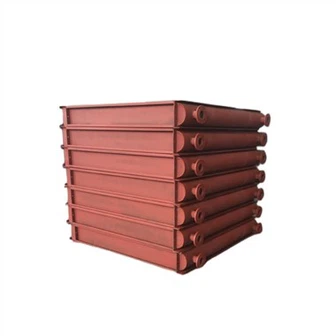
A gas generator generates a lot of heat when it runs, and this heat is transferred to the parts that need to be cooled, such as cylinders. A dry cooler usually consists of heat sinks, fans and so on. When the hot gas or liquid flows through the cooler, the heat sink will increase the contact area with the air and transfer the heat to the heat sink through heat conduction. At the same time, the fan will push the airflow, accelerate the heat exchange between the air and the heat sink, take away the heat, thus reducing the temperature of the gas or liquid flowing through the cooler. The cooled medium is then recirculated back to the gas generator to continue to participate in the work, and so on, to achieve continuous and effective cooling of the gas generator, to keep it running stably within the appropriate temperature range.

The main features of the gas generator dry cooler include:
No need for liquid media such as water: reduces dependence on water and avoids water-related problems such as corrosion, scaling and leakage.
Flexible installation: according to the actual site and unit layout for more flexible installation arrangements.
Relatively simple maintenance: there is no complex water circuit system, and daily maintenance mainly focuses on the inspection and cleaning of fans, heat sinks and other components.
Smaller footprint: compared with some wet cooling systems, its structure is relatively compact and occupies less space.
Strong ability to adapt to the environment: relatively low requirements for environmental humidity, etc., more advantageous in some water shortages or harsh environments.
Lower operating costs: eliminating the cost of water treatment.
Less susceptible to pollution: reduces the risk of pollution and blockage due to water quality problems.
Relatively low noise: compared with some water-cooled systems, the noise generated during operation is relatively low.