How Does A Charge Air Cooler Work On A Diesel Engine?
How does a charge air cooler work on a diesel engine?
A Charge Air Cooler (CAC), is a device used in diesel engines (as well as gasoline engines) to cool the hot compressed air coming from the turbocharger before it enters the engine's combustion chamber. The basic principle behind a charge air cooler is to increase the density of the intake air by cooling it down, which results in more oxygen entering the engine cylinders during the combustion process. This increased oxygen concentration allows for more efficient combustion and ultimately leads to improved engine performance and reduced emissions.


In a turbocharged diesel engine, the intake air is compressed by a turbocharger before it enters the combustion chamber. During the compression process, the air heats up significantly due to the high pressure created by the turbocharger.
Hot Compressed Air Enters the Charge Air Cooler: The hot, compressed air from the turbocharger is directed through the charge air cooler. The charge air cooler is typically located between the turbocharger outlet and the engine's intake manifold.
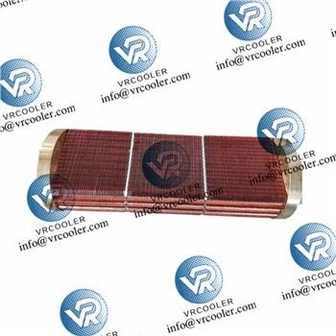
Cooling Process: As the hot compressed air passes through the charge air cooler, it flows through a series of tubes or passages surrounded by fins. Outside air, usually provided by the vehicle's forward motion, passes over these fins. Heat from the hot air is transferred to the outer surface of the tubes and fins, causing the compressed air inside the tubes to lose heat and cool down.
Denser, Cooled Air Enters the Engine: Once the air has been cooled, it becomes denser. Denser air contains more oxygen molecules, which is crucial for efficient combustion. The cooler, denser air is then routed to the engine's intake manifold and subsequently into the combustion chambers.
Improved Combustion: With the intake air now cooler and denser, the engine's combustion process is more efficient. The increased oxygen concentration allows for a better air-fuel mixture, leading to improved combustion efficiency, increased power output, and reduced exhaust emissions.