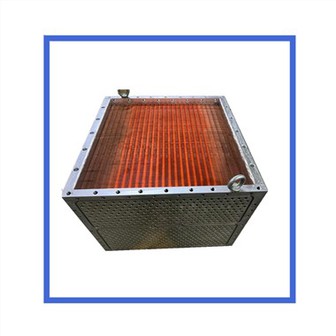
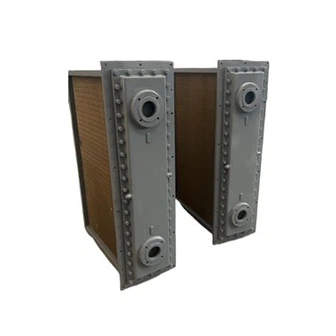
How A Tube-Fin Air Cooler Works in A Hydropower Generator
Hydropower generators produce large amounts of heat due to electrical losses in the stator core, windings, bearings, and ventilation system. To maintain reliability and insulation life, this heat must be removed continuously. This is where the tube-fin air cooler (also called a generator air cooler or finned-tube heat exchanger) plays a crucial role.
A tube-fin air cooler removes heat from the generator by cooling the hot internal air using circulating cooling water.
The general process:
- Hot air from the generator stator is blown across the finned tubes.
Generator fans circulate air internally.
- Cooling water flows inside the tubes of the finned-tube heat exchanger.
- Heat transfers from hot air → fins → tubes → cooling water.
The fin surface increases heat transfer efficiency.
- Cooled air is returned to the stator and windings.
- Warm water exits the cooler and flows to external cooling towers, a heat exchanger, or river water cooling systems.
Because the air circuit is closed, dust and moisture are kept out, protecting the generator insulation.
System Layout in a Hydropower Generator

A typical hydropower generator cooling system includes:
- Internal air circuit (closed loop)
- Tube-fin air coolers installed in the stator frame
- Circulating water system (often river water → secondary cooling loop → generator cooler)
- Internal fans mounted on the generator rotor
Hot air naturally rises inside the generator and is directed by ducts toward the air coolers. After cooling, the air flows back into the stator and rotor cavities.
Step-by-Step Cooling Cycle
(1) Heat generation in the stator
The stator winding losses (I²R losses), magnetic losses, and core losses generate a large amount of heat.
(2) Internal fans move the hot air
Rotor-mounted fans or separate blowers circulate air across the stator core and windings.
(3) Hot air enters the tube-fin heat exchanger
The cooler is mounted along the stator frame, and the airflow is directed across the fins.
(4) Water absorbs heat
Cool water (usually ~15–25°C depending on hydropower plant design) enters the tubes and removes heat from the air.
(5) Warm water exits to an external cooling system
The water then flows to:
A heat exchanger,
A cooling tower, or
Direct river-water heat extraction,
depending on plant design.
(6) Cooled air returns to the generator core
The process repeats continuously, ensuring stable generator temperatures.
Cooling the hot internal generator air using water flowing through finned tubes, enabling efficient, closed-loop heat removal without exposing the generator to moisture or dust.