How A Generator Surface Air Cooler Works
How a Generator Surface Air Cooler Works
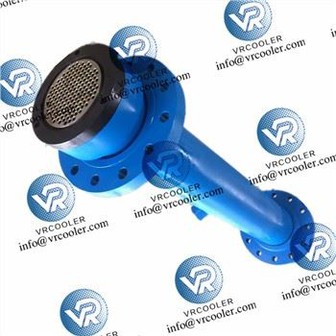
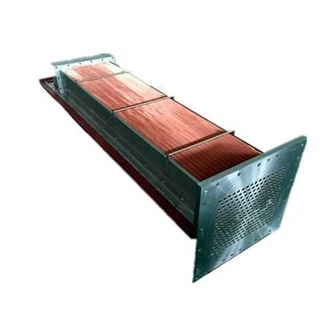
A generator surface air cooler is a device, often a fin coil air-cooled heat exchanger, that dissipates heat from a generator by using air to transfer heat away from the generator's internal components and out to the atmosphere. It can be a direct air-to-air system, or for higher efficiency, a Surface Air Cooler uses a combination of air and water for evaporative cooling to achieve lower temperatures.
How it works:
Heat Generation: Generators produce heat as a byproduct of converting mechanical to electrical energy.
Airflow: A fan directs ambient air over the generator's hot surfaces and fins, which increase the surface area for heat exchange.
Heat Transfer: The air absorbs the heat from the generator's components and carries it away to the atmosphere, keeping the generator within an optimal operating temperature range.
Key Benefits:
Prevents Overheating: Keeps the generator running within a safe temperature range, preventing damage or shutdown.
Customization: Designed to meet specific performance and application requirements for different types of generators.
High Efficiency: Both traditional air coolers and surface air coolers are designed to optimize thermal energy exchange.