Heat Recovery Unit Of 2550 KW Centrifugal Compressor
Heat Recovery Unit of 2550 kW Centrifugal Compressor
Purpose of the Heat Recovery Unit
Waste Heat Utilization: Captures heat from the compressor's discharge gas or cooling system.
Energy Savings: Reuses recovered heat for space heating, water heating, or industrial processes.
Environmental Benefits: Reduces the need for additional energy sources, lowering carbon emissions.
Improved Efficiency: Enhances the overall efficiency of the compressor system.
Key Components
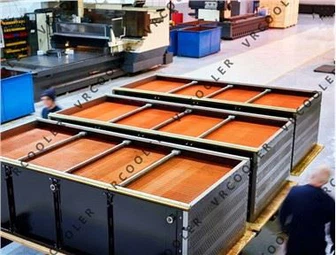
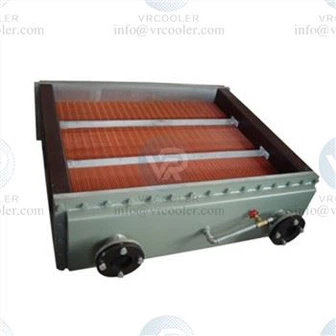
Finned Tubes: Increase the surface area for heat transfer, improving efficiency.
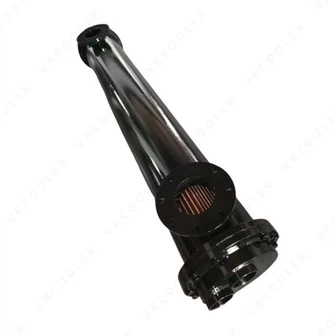
Heat Exchanger: Transfers heat from the compressor's hot discharge gas or oil to a secondary fluid (e.g., water or air).
Control System: Monitors and regulates heat recovery to optimize performance.
How It Works
Heat Source: The centrifugal compressor generates waste heat in the form of hot discharge gas or oil.
Heat Capture: The finned tube heat exchanger absorbs heat from the hot gas or oil.
Heat Transfer: The captured heat is transferred to a secondary fluid (e.g., water or air).
Heat Utilization: The heated fluid is used for:
Space heating in facilities.
Preheating process water or air.
Industrial processes requiring heat.
Cooled Fluid Return: The cooled fluid returns to the heat exchanger to repeat the cycle.
Benefits
Energy Efficiency: Recovers up to 50–70% of waste heat, reducing energy consumption.
Cost Savings: Lowers heating costs by reusing waste heat.
Environmental Impact: Reduces greenhouse gas emissions by minimizing reliance on external energy sources.
Extended Equipment Life: Reduces thermal stress on the compressor by dissipating excess heat.
Versatility: Can be integrated into various industrial processes.
Design Considerations
Heat Load: Match the heat recovery unit's capacity to the 2550 kW compressor's waste heat output.
Fluid Type: Choose the appropriate secondary fluid (water, oil, or air) based on the application.
Temperature Range: Ensure the heat recovery unit can handle the compressor's discharge temperatures.
Space Constraints: Design the unit to fit within available space while maintaining accessibility for maintenance.
Control System: Implement an automated control system to optimize heat recovery and adapt to varying loads.
Applications
Industrial Heating: Recovered heat can be used for process heating in manufacturing.
Space Heating: Heat can be used to warm buildings or facilities.
Water Heating: Preheating boiler feedwater or domestic hot water.
Drying Processes: Heat can be used in agricultural or industrial drying applications.