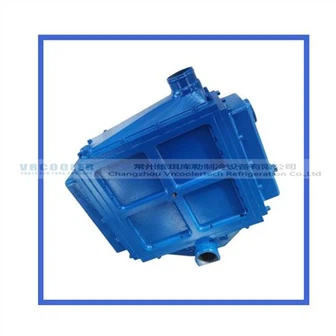
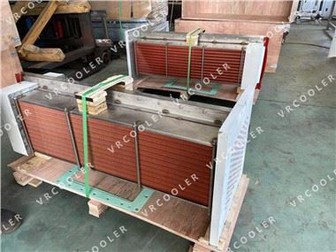
Heat recovery heat exchangers are used to treat waste heat from livestock and poultry manure.
1, Characteristics of Waste Heat Resources from Livestock and Poultry Manure Breeding
During the collection, storage, anaerobic fermentation, aerobic composting, and subsequent drying processes of livestock and poultry manure, low-grade heat energy is continuously released, mainly including:
Anaerobic fermentation waste heat: During medium temperature fermentation (30-40 ℃) and high temperature fermentation (50-60 ℃), microbial metabolism produces stable heat, and the biogas slurry and sludge carry a large amount of recyclable waste heat;
Waste Heat from Fecal Drying: The high-temperature and high humidity exhaust gas generated during the process of fecal dehydration and drying, typically at a temperature of 40-70 ℃, contains a large amount of latent and sensible heat;
Biodegradable self heating: During the composting and natural maturation stages of feces, microorganisms release heat through aerobic decomposition, which can form a stable low-temperature heat source.
This type of waste heat has the characteristics of low temperature, large flow rate, continuous stability, and nearby availability, making it very suitable for cascade utilization through heat recovery equipment.
2, The core path of heat recovery technology in the utilization of fecal waste heat
(1) Waste heat recovery and constant temperature control in anaerobic fermentation system
Large scale breeding farms commonly construct biogas projects to treat manure through anaerobic fermentation and produce biogas. Heat recovery technology can achieve precise control of fermentation temperature and recycling of waste heat
Extracting waste heat from biogas slurry through sleeve, plate or wide channel heat exchangers, raising the temperature through a heat pump and returning it to the fermentation tank to maintain constant temperature fermentation and improve gas production efficiency;
Waste heat can be directly used for winter heating and drinking water heating in residential buildings, reducing the consumption of coal, gas, or electricity;
The waste heat recovery system can reduce the temperature of fermentation exhaust gas, achieve condensed water recovery, reduce odor diffusion and treatment load.
(2) Closed loop utilization of waste heat in the process of fecal drying
The high moisture content of feces is a difficult point to deal with, and traditional drying has high energy consumption. Adopting a combination process of heat pump drying and waste heat recovery:
Dry feces step by step with low-temperature hot air, and recover heat from exhaust gas through a waste heat recovery device;
Recovering heat for preheating the intake air and wet manure, achieving internal energy circulation, and reducing the comprehensive energy consumption of the drying system by more than 40%;
Waste heat recovery simultaneously completes exhaust dehumidification and dust reduction, reducing the load on subsequent deodorization equipment.
(3) Comprehensive waste heat cascade utilization in aquaculture areas
Match the waste heat of feces with the energy demand of the site, forming a closed-loop system of waste heat collection, enhancement, distribution, and utilization:
Low level heat sources: feces, biogas slurry, fermentation exhaust gas, and greenhouse exhaust;
Upgrade equipment: air/water source heat pump, waste heat recovery unit;
Terminal utilization: enclosure heating, insulation for young poultry/livestock, hot water for office and daily life, preheating of manure;
Excess energy: It can be stored in a matching insulated water tank to achieve peak shaving during day, night, and season.

3, Comprehensive benefits of heat recovery technology application
1. Energy efficiency
Significantly reduce the energy costs for heating, hot water, and drying in aquaculture farms, with a waste heat substitution rate of up to 30% to 70%, reducing fossil energy consumption and achieving low-carbon operation.
2. Environmental benefits
Reduce the direct discharge of heat during the fecal treatment process, decrease the volatilization of odors and the breeding of mosquitoes and flies; Stabilize anaerobic fermentation environment, increase biogas production, and reduce unorganized methane emissions.
3. Economic benefits
Shorten the sewage treatment cycle and improve the output of organic fertilizers and biogas products; Reduce energy consumption and operation costs, with most projects having a payback period of 2-4 years.
4. Production efficiency
Constant temperature fermentation enhances gas production stability, waste heat heating improves the comfort of livestock and poultry growth environment, reduces disease risks, and improves breeding efficiency.
4, Key and Development Directions for Promoting Applications
(1) Key points of technical optimization
Promote anti clogging, corrosion-resistant, and easy to clean heat exchange equipment to address the characteristics of high suspended solids, easy corrosion, and blockage in feces;
Develop intelligent control, automatically adjust waste heat distribution based on fermentation temperature, environmental temperature, and energy load;
Promote miniaturization and modular equipment to adapt to small and medium-sized farms.
(2) Policy and Model Support
Combining policies on ecological aquaculture, rural renewable energy utilization, and manure resource utilization, increase technical subsidies and demonstration support;
Promote the integrated model of "breeding+biogas+waste heat+organic fertilizer" to achieve a win-win situation in energy, environmental protection, and economy.
Livestock and poultry manure is not only waste, but also a low-cost and sustainable waste heat resource reservoir. The heat recovery technology has connected the circular chain of "manure treatment energy recovery aquaculture production", transforming the traditional "passive pollution control" into "active heat generation, energy conservation and carbon reduction", which has important practical significance for promoting the green transformation of aquaculture and achieving the "dual carbon" goal.
In the future, with the continuous advancement of technologies such as efficient heat exchange, heat pumps, and intelligent control, the application of heat recovery in the utilization of waste heat from livestock and poultry manure will become more popular, efficient, and economical, becoming an indispensable green energy support for modern ecological breeding.