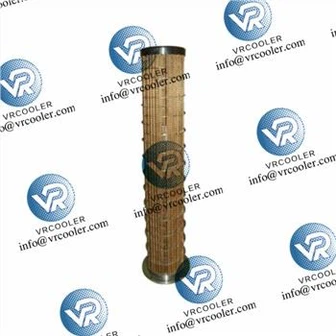
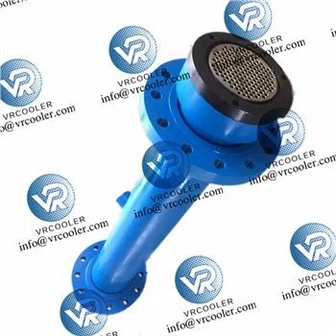
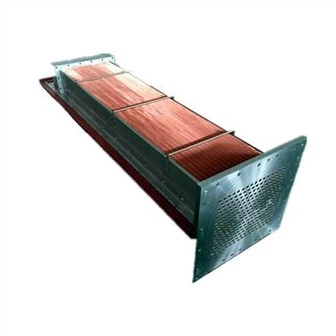
Heat Exchanger To Cool Gas Generator
Heat Exchanger to Cool Gas Generator
A heat exchanger designed to cool gas generators, particularly in applications such as power generation and industrial processes, plays a vital role in maintaining efficiency and performance.
The primary function is to lower the temperature of hot exhaust gases produced by gas generators (e.g., gas turbines or internal combustion engines) before they are discharged into the atmosphere.
Benefits
Improved Efficiency: Lower exhaust gas temperatures allow for better thermal efficiency in the generator, leading to more power output per unit of fuel.
Reduced Emissions: Effective cooling of exhaust gases minimizes harmful emissions, helping to comply with environmental regulations.
Component Longevity: Maintaining optimal operating temperatures reduces wear on engine components, extending their lifespan.
Design Considerations
Material Selection: Typically made from corrosion-resistant materials (e.g., stainless steel, alloys) to withstand high temperatures and aggressive environments.
Size and Configuration: Must be tailored to the specific flow rates, temperature differentials, and pressure drops required by the gas generator.
Maintenance
Regular Inspection: Essential to check for leaks, fouling, and any signs of wear.
Cleaning: Periodic cleaning is necessary, especially in water-cooled systems, to prevent scaling and ensure efficient heat transfer.
Applications
Commonly used in gas turbines, internal combustion engines, and any industrial processes that generate hot gases.