Generator Heat Recovery Preheating Combustion Air Energy Saving And Efficiency Improvement
1, Technical principle: Make 'waste heat' a 'helper' for combustion
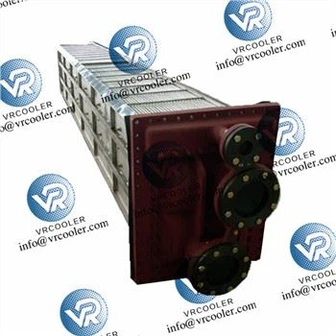
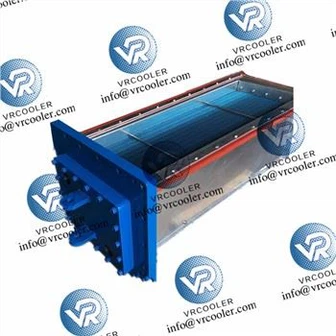
The core logic of generator heat recovery preheating combustion air is to build an energy bridge through efficient heat exchange devices. Install specialized heat exchangers (such as heat pipe heat exchangers, finned tube heat exchangers, etc.) in the exhaust system of the generator. When high-temperature exhaust gas (usually 400-600 ℃) flows through the heat exchanger, it releases waste heat and heats the normal temperature combustion air (20-40 ℃) originally taken from the environment to 50-250 ℃ or even higher. The preheated high-temperature air then enters the combustion chamber and mixes with fuel for combustion.
In this process, the heat exchanger plays the role of an "energy transporter", with a modular design that can flexibly adapt to different power generators, and can adjust temperature and flow in real time through an intelligent control unit to ensure a balance between heat recovery efficiency and combustion stability. It is worth noting that equipment using a counterflow heat exchange structure can achieve a heat transfer efficiency of over 98%, and can operate stably even at a temperature difference of 30 ℃, fully tapping into the potential for the utilization of low-grade waste heat.
2, Core advantage: Multi dimensional gain from energy conservation to environmental protection
1. Deeply save energy and reduce consumption, lower operating costs
The fuel combustion efficiency is directly related to the temperature of the combustion air. For every 100 ℃ increase in combustion air, about 3.9% of fuel can be saved. If the exhaust gas temperature is higher, the energy-saving effect is more significant. For example, a 500kW gas generator unit can save about 300 tons of standard coal annually by recovering waste heat through a heat pipe air preheater; After the renovation of a certain data center, the energy utilization rate of diesel generators increased by 30%, saving 500 tons of diesel annually. This kind of energy conservation does not rely on additional energy input, but on the reuse of waste heat that was originally wasted. Long term operation can significantly reduce fuel procurement costs, and equipment investment can generally be recovered in 1.5-2 years.
2. Improve combustion efficiency and ensure unit stability
The preheated combustion air can accelerate fuel atomization and mixing, making combustion more complete and uniform, reducing energy loss and carbon deposition caused by incomplete combustion. At the same time, a stable high-temperature combustion environment can reduce the impact of generator load fluctuations on combustion, avoiding problems such as insufficient combustion and power output caused by low-temperature air. Experimental data shows that after adopting this technology, the fuel efficiency of the generator can be improved by 2.37%, the primary energy utilization rate can be increased from around 30% to 70% -80%, and the operational stability of the unit can be significantly enhanced.
3. Reduce pollutant emissions and comply with environmental protection requirements
Full combustion not only reduces fuel consumption, but also reduces the generation of pollutants - the emissions of harmful substances such as carbon monoxide and hydrocarbons produced by incomplete combustion can be reduced by more than 30%. At the same time, the reduction of fuel consumption directly leads to a decrease in carbon dioxide emissions. Calculated based on the combustion of natural gas, for every 1 ℃ increase in combustion air temperature, each megawatt unit can reduce carbon emissions by 0.05kg per hour. In addition, waste heat recovery reduces exhaust gas temperature, reduces thermal pollution to the surrounding environment, and meets the environmental protection requirements under the "dual carbon" goal.

3, Typical application scenario: energy-saving practices covering multiple industries
Industrial production: High power diesel generators in steel and chemical plants use waste heat recovery to preheat combustion air, which not only meets the continuous power supply needs of production processes, but also provides supplementary heating for workshops, achieving energy cascade utilization.
Data center: As an emergency power source, diesel generators use waste heat to preheat combustion air, which can reduce fuel consumption and heat load in the computer room, forming a synergistic energy-saving effect with the air conditioning system.
Coal mines and mines: The high-temperature exhaust gas from low concentration gas generators is recovered by a heat pipe air preheater, and the preheated air can be used for anti freezing in coal mine ventilation tunnels, replacing traditional hot blast stoves, and saving millions of yuan annually.
Remote area power supply: Telecom base stations and diesel generators used in field operations improve fuel utilization through heat recovery technology, reduce fuel transportation frequency, and lower operation and maintenance costs.
The technology of generator heat recovery preheating combustion air essentially breaks the inherent pattern of "waste heat must be discharged for power generation" through scientific energy reuse. It takes energy conservation and consumption reduction as its core, and has multiple advantages such as improving combustion efficiency, reducing pollution, and extending equipment life. It can not only bring considerable economic returns to enterprises, but also help the industry's green transformation. With the continuous iteration of innovations such as heat pipe technology and intelligent control, this technology will be widely applied in more types of generator sets and become an important support for efficient energy utilization.