Generator Cooling System in Hydro Power Plant | Hydro Generator Air‑to‑Water Cooler VRCOOLER
Hydro‑generator (hydropower plant generator) cooling systems dissipate heat from stator windings, rotor poles and stator core caused by copper loss and iron loss. Different from large thermal turbo‑generators, hydro units feature low rotating speed, large diameter, multi‑pole structure.
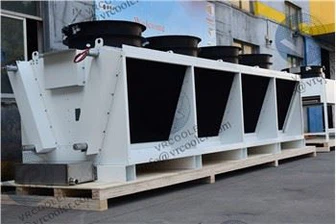
Common cooling modes: air‑closed circulation cooling, water‑hydrogen‑water cooling, stator water inner cooling. VRCOOLER provides custom air‑to‑water coolers for hydro generators, 1:1 replacement according to drawings or old samples for hydropower station overhaul and upgrade projects.
Main Cooling Types for Hydro‑Generator
1. losed Air‑to‑Water Cooling (most common for medium‑large hydro units)
Closed circulating air inside generator housing. Hot air passes through finned tube air coolers; heat is taken away by cooling water. Cooled air circulates back to cool stator and rotor. No hydrogen, simple safety management, widely used in run‑of‑river and reservoir hydropower plants.
2. Stator Inner Water Cooling (high‑capacity large hydro generator)
De‑ionized water flows directly inside hollow stator conductors for high heat removal. Auxiliary external heat exchanger cools the circulating de‑ionized water. Rotor still adopts air cooling. Applied for huge capacity hydro units.
3. Hydrogen Cooling (rare for hydropower)
Mainly for thermal turbo‑generators. Seldom adopted in hydro power plant because of high site safety & maintenance cost.
Core Components of Closed Air‑Water Cooling System
1. Hydro‑generator Air Cooler (Finned‑tube heat exchanger)
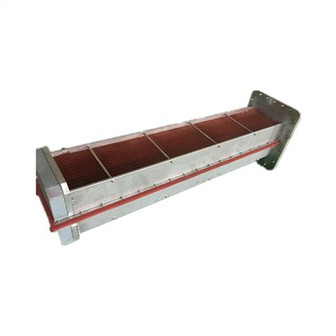
Core component, air‑to‑water. Hot generator internal air flows across fin surface; cooling water flows inside tubes. Usually multiple coolers installed around generator stator frame, horizontal layout.
2. Generator enclosed housing
Keep internal air closed circulation, prevent dust and moist outside air entering.
3. Circulating fans / blower
Drive forced air circulation inside generator cavity. Some large hydro generators rely on rotor self‑pumping effect without extra fans.
4. Cooling water auxiliary system
Raw water / purified water supply pipeline, filter, inlet‑outlet valve, vent & drain ports.
5. Monitoring instruments
Air inlet / outlet temperature sensor, water temperature, differential pressure sensor, over‑temperature alarm.

Critical Design & Application Considerations
1. Anti‑condensation control
Hydropower station often faces high ambient humidity. Cooling water temperature shall be kept above air dew‑point, avoid condensate dripping onto stator winding insulation and causing insulation failure. Vent and drain points must be properly arranged.
2. Anti‑vibration performance
Hydro‑generator has heavy rotating parts and low‑frequency vibration. Tube bundle support shall be reinforced to avoid tube fatigue crack and water leakage during long‑term operation.
3. Water‑side anti‑fouling & easy maintenance
Cooling source is usually river water with sediment. Require inlet water filter; cooler shall support chemical cleaning or pull‑out bundle for overhaul.
4. Corrosion resistance
For plants using river / lake raw cooling water, cupronickel Cu‑Ni tubes are preferred against silt erosion and corrosion.
5. Redundancy design
Multiple air coolers arranged in parallel. Unit can keep partial load running when one cooler is under maintenance
Advantages of Closed Air‑Water Cooling for Hydro‑Generator
- No hydrogen hazard, low site safety management cost
- Stable cooling performance, suitable for long‑term continuous hydropower operation
- Easy overhaul and spare‑part replacement
- Well‑proven solution for new hydropower project and old station retrofit