Generator Air Cooler In Power Generation Systems
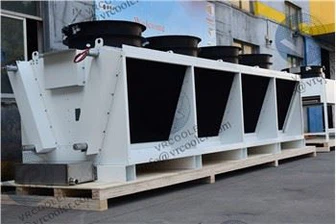
A generator air cooler is a crucial component in power generation systems, particularly in power plants where generators are used. Its primary purpose is to dissipate the heat generated during the operation of the generator to maintain the generator's temperature within acceptable limits.
During electrical power generation, generators produce a significant amount of heat due to electrical resistance and mechanical friction. If this heat is not adequately dissipated, it can lead to overheating, reduced efficiency, and potential damage to the generator. The generator air cooler helps remove this excess heat.
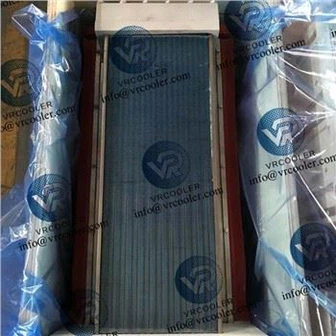
Generator air coolers typically consist of heat exchanger coils or fins. These coils provide a large surface area for efficient heat transfer.

Applications:
Generator air coolers are commonly used in various power generation facilities, including:
- Thermal power plants
- Gas-fired power plants
- Diesel power generators
- Nuclear power plants
- Combined heat and power (CHP) systems
Benefits:
Heat Control: Generator air coolers ensure that the generator operates at a safe and consistent temperature, preventing overheating and potential damage.
Energy Efficiency: Efficient cooling helps maintain the generator's efficiency, optimizing power generation.
Reliability: Proper cooling extends the generator's lifespan and reduces the likelihood of unexpected downtime.
Environmentally Friendly: Air-cooled systems typically use ambient air for cooling, which reduces water consumption and environmental impact compared to water-cooled systems.
A generator air cooler is a vital component in power generation systems, responsible for dissipating the heat generated during the operation of the generator. It helps maintain the generator's temperature within safe limits, ensuring efficient and reliable power generation.