Waste Heat Recovery from Gas Engine Generators for LNG and HVAC Systems
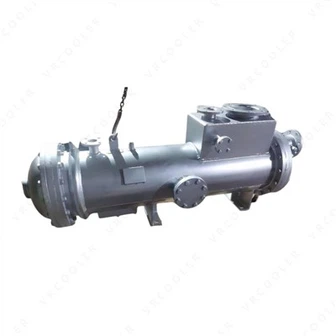
A waste heat recovery heat exchanger is a device designed to capture and transfer waste heat from one medium (typically exhaust gases or cooling fluids) to another medium, usually water or oil, which can then be used for heating or power generation. These systems are highly effective in optimizing energy usage, as they allow the recovery of heat from exhaust gases that would otherwise be discharged into the atmosphere.
In the context of gas engine generators, the heat recovery process typically involves capturing thermal energy from the engine's exhaust gases and transferring it to a secondary loop (e.g., a water or oil circuit) through a heat exchanger. The heat exchanger is designed to operate efficiently, with minimal energy losses and maximum heat transfer, ensuring that the recovered energy is effectively utilized.
Two Key Applications for Recovered Heat
-
Hot Oil System for a Small LNG Plant
Liquefied Natural Gas (LNG) plants often require substantial amounts of energy to maintain the appropriate temperatures for liquefaction and storage. Heat is an essential component of this process, especially for the hot oil systems used to regulate temperature in the plant's infrastructure.
In this application, the recovered heat from the gas engine generators will be transferred to the hot oil system. Hot oil systems are commonly used in LNG facilities to transfer heat to various parts of the plant, such as reboilers, heat exchangers, and distillation columns. The recovered heat will help to maintain the required temperature for the LNG liquefaction process, reducing the need for additional energy input and improving the overall efficiency of the plant.
By utilizing waste heat from the gas engines, the LNG plant can significantly reduce fuel consumption, lower operating costs, and minimize its environmental footprint. This integration of waste heat recovery also contributes to the plant's sustainability efforts by reducing reliance on external energy sources, such as natural gas or electricity, for heating purposes.
-
Li-Br Based Vapor Absorption HVAC System
The second major application for the recovered heat is a Li-Br (Lithium Bromide) based vapor absorption HVAC system. Vapor absorption refrigeration systems, such as those utilizing Li-Br solutions, are widely used for cooling and air conditioning in commercial and industrial buildings. These systems use heat instead of electrical energy to drive the cooling cycle, making them highly efficient and cost-effective.
In a Li-Br system, the heat is absorbed by a refrigerant (in this case, lithium bromide solution), which then undergoes a process of evaporation and absorption. The heat recovery system from the gas engine generators will provide a reliable and sustainable heat source to drive the absorption chiller, improving the system's overall efficiency.
The use of recovered heat to power a Li-Br based HVAC system offers several advantages:
Energy Efficiency: By using waste heat rather than electricity or fossil fuels, the system significantly reduces energy consumption.
Cost Savings: Recovered heat decreases the need for traditional cooling methods, leading to lower operating costs.
Environmental Impact: Utilizing waste heat reduces the carbon footprint of both the generator operation and the HVAC system, contributing to greener, more sustainable operations.

Key Considerations for the Heat Recovery System Design
The design of the heat recovery system must address several technical considerations to ensure effective integration and maximum energy savings:
Temperature Range: The heat recovery system must be able to operate within the temperature range of the exhaust gases from the gas engine generators, typically ranging from 300°C to 600°C (572°F to 1112°F), depending on engine load and operational conditions.
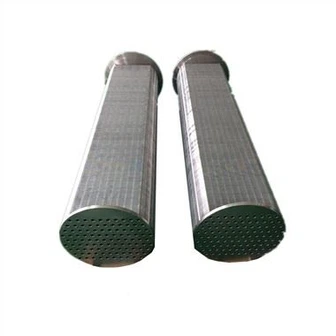
Heat Exchanger Selection: The type of heat exchanger selected for the system will depend on the specific thermal characteristics of the exhaust gases and the target temperatures of the hot oil system and HVAC system. Shell and tube heat exchangers or plate heat exchangers are common choices for such applications due to their high heat transfer efficiency and adaptability.
System Efficiency: To ensure maximum heat recovery, the system must be designed for minimal thermal losses. Advanced controls and automation systems should be incorporated to monitor and optimize the performance of the heat recovery system in real-time.
Corrosion Resistance: Exhaust gases contain various corrosive compounds, such as sulfur and particulate matter, which can degrade the heat exchanger materials over time. Selecting corrosion-resistant materials, such as stainless steel or high-performance alloys, is critical for the long-term durability of the system.
Conclusion: Maximizing Energy Efficiency and Sustainability
The integration of a waste heat recovery heat exchanger for gas engine generators into both the hot oil system of an LNG plant and a Li-Br based vapor absorption HVAC system represents a significant opportunity to enhance energy efficiency, reduce operational costs, and minimize environmental impact. By capturing and repurposing waste heat that would otherwise be lost, the system maximizes the value of the energy already being produced, creating a more sustainable and cost-effective industrial operation.
This kind of energy recovery system not only aligns with the growing push for greener, more sustainable technologies but also helps businesses meet their bottom-line objectives by reducing energy consumption and improving overall system efficiency. The application of recovered heat to both LNG plant operations and HVAC systems highlights the versatility and potential of waste heat recovery in a variety of industries, marking a step forward in the efficient utilization of industrial energy resources.