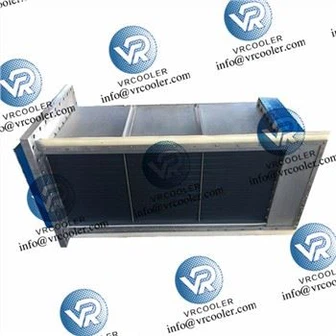
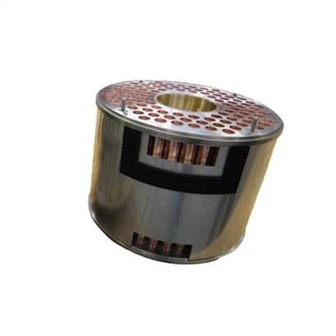
Feedwater Heater For Enhancing Power Generator Efficiency By Preheating The Feedwater
In any steam-based power generation system, efficiency depends on how well heat is used and reused throughout the cycle. One of the most practical ways to improve that efficiency is by installing a feedwater heater. Although it is not always the most visible piece of equipment in a power plant, it plays an important role in reducing fuel consumption, improving turbine performance, and supporting stable long-term operation.
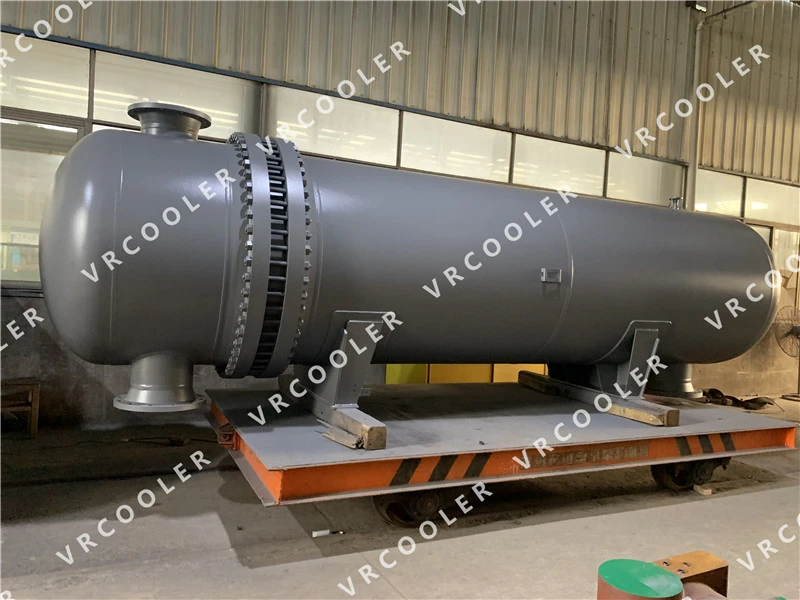
A feedwater heater is a heat exchanger used to raise the temperature of boiler feedwater before it enters the boiler or steam generator. Instead of sending relatively cold water directly into the boiler, the system uses extracted steam from the turbine to preheat that water. This simple idea has a major thermodynamic advantage. Because the feedwater already enters the boiler at a higher temperature, the boiler needs less additional heat input to convert it into steam. The result is a more efficient Rankine cycle and better overall power plant performance.
In practical terms, feedwater heating is a form of energy recovery. Steam that has already done part of its work in the turbine still contains valuable thermal energy. Rather than wasting that energy, the plant redirects a portion of it to warm the incoming feedwater. This reduces the thermal shock on the boiler, lowers the amount of fuel required, and helps the system operate more smoothly under varying load conditions. For power generators running continuously, even a modest gain in cycle efficiency can translate into substantial fuel savings over time.
Feedwater heaters are commonly divided into two main types: open feedwater heaters and closed feedwater heaters. In an open feedwater heater, extracted steam mixes directly with the feedwater. This direct-contact design offers excellent heat transfer and is often used where the process layout allows mixing. In a closed feedwater heater, the extracted steam and feedwater remain separated by heat transfer surfaces, usually tubes. The steam condenses on one side while the feedwater flows on the other. Closed designs are widely used in utility and industrial power plants because they allow better control of pressure levels and fluid separation.
In larger steam turbine systems, multiple feedwater heaters may be arranged in stages. Low-pressure feedwater heaters are typically installed between the condenser and the deaerator, while high-pressure feedwater heaters are installed between the boiler feed pump and the boiler economizer. This staged arrangement gradually raises the feedwater temperature and maximizes the recovery of turbine extraction steam. The more effectively the plant integrates this regenerative heating process, the better the cycle efficiency becomes.
The efficiency benefit of a feedwater heater is not only about saving heat. It also supports the health of the entire steam generation system. Preheating feedwater reduces the temperature difference between the feedwater and the boiler metal surfaces, which helps minimize thermal stress. Lower thermal stress means less strain on pressure parts, fewer expansion-related issues, and improved equipment life. In demanding power generation environments, this can contribute to better reliability and reduced maintenance requirements.
Another important advantage is improved boiler performance. When colder water enters a boiler, more heat must be transferred in a shorter temperature range, which can affect combustion efficiency and heat transfer balance. By introducing preheated water, the boiler operates under more favorable conditions. This can improve combustion stability, reduce stack losses, and help the plant maintain consistent steam production. In systems where fuel cost and emissions are closely monitored, these benefits are especially valuable.
Feedwater heaters are used in a wide range of applications, including thermal power plants, cogeneration plants, waste heat recovery systems, marine steam systems, and industrial steam turbine installations. Whether the generator is driven by coal, natural gas, biomass, or recovered process heat, the principle remains the same: reclaim available energy and use it to reduce the total heat input required from the boiler.
From a design standpoint, feedwater heaters must be selected according to operating pressure, temperature, flow rate, steam extraction conditions, allowable pressure drop, and material compatibility. In high-pressure systems, mechanical strength and thermal performance are both critical. Tube material, shell design, venting arrangement, condensate drainage, and corrosion allowance all affect long-term reliability. In many projects, custom engineering is necessary to ensure the heater matches the specific turbine cycle and plant layout.
Maintenance is also a key part of performance. Over time, fouling, corrosion, air leakage, or poor condensate drainage can reduce heat transfer efficiency. A poorly performing feedwater heater can quietly increase fuel use and reduce the expected benefit of regenerative heating. Regular inspection, cleaning, and monitoring of terminal temperature difference, drain cooler approach, and pressure conditions are essential for keeping the unit operating efficiently.
For power plant operators and EPC contractors, a well-designed feedwater heater is more than an auxiliary heat exchanger. It is a strategic component in the effort to improve heat rate, reduce operating costs, and enhance the overall efficiency of the generating unit. In a market where energy efficiency and operational reliability matter more than ever, preheating feedwater is one of the smartest ways to get more value from the steam cycle.
A feedwater heater may work quietly in the background, but its impact on generator efficiency is significant. By recovering thermal energy from turbine extraction steam and transferring it to incoming feedwater, it helps the plant consume less fuel, reduce thermal stress, and operate with greater efficiency. For modern power generation systems, that makes the feedwater heater not just useful, but essential.