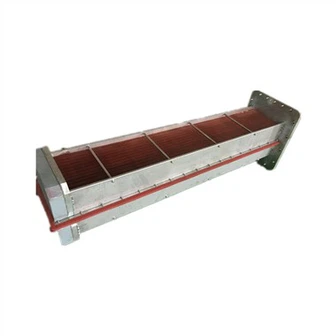
Features Of Remote Radiator Dry Coolers
Features Of Remote Radiator Dry Coolers
Types of remote radiator dry coolers: Remote radiator dry coolers come in two main types: forced draft and induced draft. Forced draft coolers have a fan located at one end that blows air through the radiator tubes. Induced draft coolers have a fan located at the other end that pulls air through the radiator tubes. Both types can be effective, but induced draft coolers are generally more efficient due to their ability to create negative pressure and draw air through the tubes.
Sizing and capacity: The size and capacity of the remote radiator dry cooler are critical factors in its effectiveness. The cooler needs to be large enough to handle the cooling requirements of the engine, but not so large that it is inefficient. Factors that can affect the cooler's capacity include the engine size, the operating environment, and the amount of airflow available. It's important to choose a cooler that is properly sized for the application to ensure optimal performance.
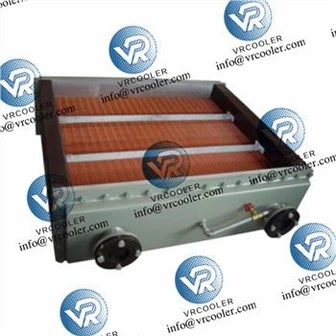
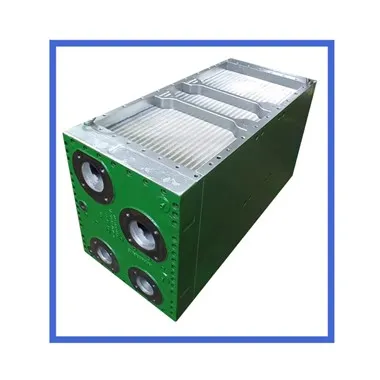
Material and construction: Remote radiator dry coolers are typically made from aluminum, copper, or steel. Aluminum is the most common material due to its excellent heat transfer properties and corrosion resistance. The cooler's construction is also important, with features like reinforced fins and tube joints, as well as high-quality welding, helping to ensure durability and longevity.

Installation and maintenance: Proper installation and maintenance of the remote radiator dry cooler are crucial for optimal performance and longevity. The cooler should be installed in a location that allows for proper airflow and cooling, and the piping and connections should be properly sized and secured. Regular maintenance, such as cleaning the air filters and inspecting the cooler for leaks or damage, should also be performed to ensure the cooler is functioning as it should.
Operating temperature range: Remote radiator dry coolers can operate within a wide range of temperatures, typically from -40°C to 50°C. However, in extreme environments, the temperature range may be narrower. It's important to select a cooler that is designed to operate in the specific temperature range of the application.
Fan speed control: Fan speed control can be an important feature of a remote radiator dry cooler. By adjusting the fan speed, the cooling capacity of the cooler can be adjusted to match the cooling needs of the engine. This can help to improve efficiency and reduce energy consumption.
Water quality: The quality of the water used in the engine's cooling system can have an impact on the effectiveness of the remote radiator dry cooler. Hard water or water that contains impurities can lead to the formation of scale or deposits on the cooler's surface, reducing its effectiveness. It's important to use high-quality water that is free of impurities and properly treated to prevent scaling.
Remote monitoring: Some remote radiator dry coolers can be equipped with remote monitoring systems that allow for real-time monitoring of the cooler's performance. This can help to detect issues or problems before they become more serious, improving uptime and reducing maintenance costs.
Cost: The cost of a remote radiator dry cooler can vary widely depending on factors such as size, capacity, and features. However, investing in a high-quality cooler that is properly sized and designed for the application can provide significant long-term cost savings through improved efficiency, reduced downtime, and easier maintenance access.
Overall, a remote radiator dry cooler can be an effective solution for cooling gas engines, providing improved efficiency, reduced noise, and easier maintenance access. However, it's important to select a cooler that is properly designed and constructed for the application and to ensure proper installation, maintenance, and monitoring for optimal performance.