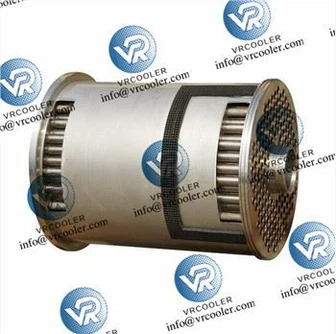
Exhaust Gas Heat Exchanger For Marine Main Engine
Exhaust Gas Heat Exchanger for Marine Main Engine
An exhaust gas heat exchanger for a marine main engine is a crucial component that improves overall engine efficiency by recovering waste heat from exhaust gases.
Functionality
Heat Recovery: The exhaust gas heat exchanger captures waste heat from the exhaust gases of the main engine. This heat is typically lost to the environment, but the exhaust gas heat exchanger transfers it to another medium, usually water or oil.
Heat Transfer: The heat exchanger uses a series of tubes or plates to allow heat transfer between the exhaust gases and the cooling medium.
Heat Utilization: The recovered heat can be used for various applications:
Heating the ship's freshwater system via boilers.
Pre-heating fuel oil to improve combustion efficiency.
Heating accommodations or other onboard systems.
Importance
Increased Efficiency: By recovering waste heat, the exhaust gas heat exchanger can significantly improve the thermal efficiency of the vessel's engine, leading to fuel savings and reduced operational costs.
Environmental Impact: Utilizing exhaust heat helps lower greenhouse gas emissions and improves compliance with environmental regulations.
Economic Benefits: Enhanced fuel efficiency translates to lower fuel costs, which is critical in the maritime industry where fuel represents a significant portion of operating expenses.
Design Considerations
Material Selection: Materials must withstand high temperatures and corrosive environments, often using stainless steel or specialized alloys.
Size and Capacity: The design should match the engine's output and the specific heat recovery needs of the vessel.
Maintenance: Easy access for cleaning and maintenance is essential to ensure long-term efficiency and reliability.