Engine Jacket Water Preheater Function And Benefits
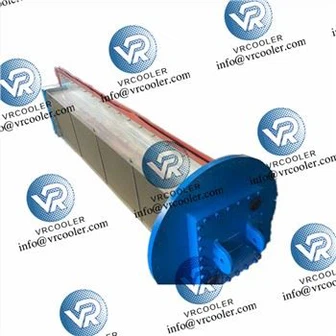
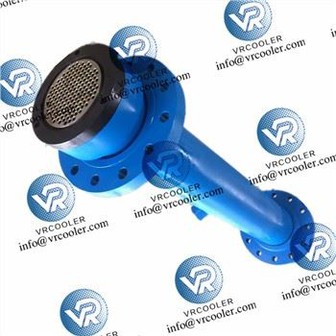
Engine jacket water preheater is a critical auxiliary heat exchanger on marine vessel closed fresh water cooling systems. It uses boiler steam or hot circulating water to heat jacket cooling water when the main engine is shut down or before startup, maintaining the engine block at a stable warm temperature. It eliminates all risks and losses caused by cold engine startup, and extends the overall service life of marine propulsion engines.
Core Functions of Jacket Water Preheater
1. Preheat Engine Before Startup
When the vessel berths or anchors, the engine temperature drops to ambient temperature. The preheater circulates heated jacket water to evenly warm cylinder liners, cylinder heads, crankcases and all metal components to the standard starting temperature. It ensures a smooth, gentle engine ignition without cold shock.
2. Maintain Constant Standby Temperature
For vessels requiring quick departure at any time, the preheater runs continuously during anchorage to keep the engine at operating temperature. This drastically shortens warm-up waiting time and improves ship dispatch efficiency.
3. Eliminate Uneven Thermal Expansion Damage
Cold metal parts expand unevenly after ignition, leading to excessive friction between cylinder liners and pistons, gasket leakage and component deformation. Constant warm jacket water avoids this thermal stress damage.
4. Optimize Combustion Condition During Startup
A preheated engine reaches ideal combustion temperature rapidly. It reduces incomplete combustion, black smoke, carbon accumulation on fuel nozzles, cylinders and exhaust pipelines.
5. Stabilize Lubricating Oil Working State
Warm engine block keeps lube oil viscosity within normal range at startup. The oil forms a complete lubricating film instantly, preventing dry friction and bearing wear at cold start.

Main Benefits of Installing Jacket Water Preheater
1. Greatly Reduce Engine Wear & Overhaul Frequency
Cold start is the biggest source of marine engine abrasion. Continuous preheating cuts liner and piston wear significantly, prolonging overhaul intervals and lowering expensive ship repair costs.
2. Save Fuel & Reduce Emission Pollution
Preheated engines achieve full combustion immediately after startup. Less unburned fuel wastes, black smoke and exhaust pollutants are produced, meeting marine environmental protection regulations.
3. Shorten Vessel Departure Preparation Time
No long warm-up period after starting the main engine. The vessel can set sail rapidly, improving shipping operation efficiency and transport turnover.
4. Protect Sealing Components & Prevent Water Leakage
Uniform temperature distribution avoids thermal deformation of cylinder gaskets, pipe flanges and sealing rings, reducing jacket water leakage failures during navigation.
5. Extend Service Life of Lubricating Oil
Low-temperature incomplete combustion generates large amounts of carbon sludge mixed into lubricating oil. Stable preheating reduces oil contamination, extending oil replacement cycles and cutting daily operation expenditure.
6. Lower Emergency Shutdown Risks
Cold-start abnormal wear may trigger high exhaust temperature, low oil pressure or unit trip during navigation. The preheater eliminates such hidden dangers and improves vessel navigation safety.