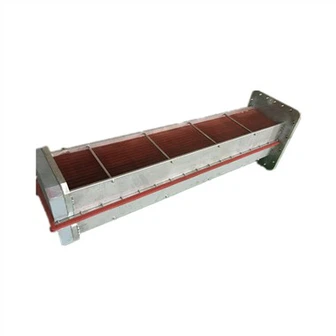
Engine Cooling System For Ship
Engine Cooling System for Ship
Engine cooling systems for ships are critical components that help maintain the optimal temperature of the engine by removing excess heat generated during operation. There are several types of cooling systems used in ships, and the choice depends on the size of the ship, the type of engine, and the specific requirements of the vessel.
Here's an overview of the most common types of ship engine cooling systems:
1. Direct Cooling System
How it Works: Seawater is directly drawn from the sea and circulated through the engine to absorb heat. After absorbing the heat, the seawater is discharged back into the sea.
Advantages: Simple design, fewer components, and lower cost.
Disadvantages: Corrosion and fouling can occur due to direct exposure to seawater, requiring regular maintenance.
2. Indirect Cooling System
This system involves two circuits: a seawater circuit and a freshwater circuit. The freshwater circuit cools the engine, while the seawater circuit removes the heat from the freshwater.
Freshwater Cooling Circuit
How it Works: Freshwater circulates through the engine and absorbs heat. It then passes through a heat exchanger where it transfers its heat to the seawater.
Components: Freshwater pump, heat exchanger, and temperature control valves.
Advantages: Reduces corrosion and fouling issues as the engine is not directly exposed to seawater.
Seawater Cooling Circuit
How it Works: Seawater is pumped through a heat exchanger, where it absorbs heat from the freshwater circuit, and is then discharged overboard.
Components: Seawater pump, heat exchanger, and filters to prevent debris entry.
Keel Cooling System
How it Works: Pipes are attached to the exterior of the hull, and coolant from the engine circulates through these pipes. The heat is transferred to the seawater as the ship moves.
Advantages: Eliminates the need for a seawater pump and reduces the risk of corrosion and fouling.
Disadvantages: Less effective in warm waters and at slow speeds.
Box Cooler System
How it Works: A box cooler is submerged in a sea chest within the ship's hull. Freshwater circulates through the box cooler, and heat is transferred to the surrounding seawater.
Advantages: Compact design and minimal exposure to seawater.
Disadvantages: May require anti-fouling measures to prevent marine growth.
Components of a Ship's Cooling System
Heat Exchangers: Transfer heat from the engine to the coolant.
Pumps: Circulate the coolant through the system.
Thermostats and Valves: Regulate the flow of coolant and maintain optimal engine temperature.
Filters: Prevent debris from entering the cooling system.
Expansion Tanks: Allow for the expansion and contraction of coolant.
Considerations for Engine Cooling Systems
Corrosion Prevention: Use of corrosion inhibitors and regular maintenance to protect components.
Temperature Control: Ensuring the system can maintain optimal engine temperatures under varying operating conditions.
Maintenance: Regular inspection and cleaning to prevent blockages and ensure efficient operation.
The choice of a cooling system depends on various factors, including the size of the vessel, the operating environment, and specific engine requirements. Each system has its advantages and challenges, and proper maintenance is crucial to ensure long-term reliability and efficiency.