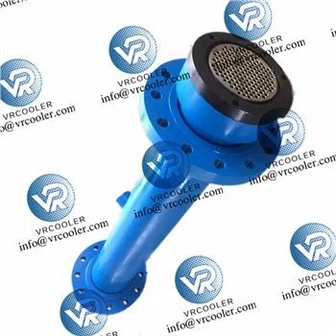
Engine Cooler Application
Engine coolers are important components in vehicles and other power equipment, and their main purpose is to regulate and control the temperature of the engine to ensure that the engine operates within its normal operating temperature range.
The following are the main uses of engine coolers:
1. Heat dissipation: The engine generates a large amount of heat during operation. If heat is not dissipated, the temperature will continue to rise, which may lead to overheating of the engine and consequent damage. The engine cooler maintains the proper operating temperature of the engine by absorbing heat from the engine, transferring it to the cooling medium (usually coolant), and then distributing the heat to the surrounding air.
2. Prevents overheating: Overheating of the engine can cause serious problems such as expansion of internal engine parts, damage to seals, deterioration of lubricants, etc. The presence of an engine cooler can help prevent overheating. The presence of an engine cooler can help prevent these problems from occurring and keep the engine operating within a safe temperature range.

3. Improved Efficiency: Engine coolers can help maintain the engine within the optimum operating temperature range. An overcooled engine can lead to incomplete combustion and reduced combustion efficiency, which can reduce power output and fuel economy. An engine cooler helps keep the engine running in an efficient temperature range.
4. Extended life: Overheating can shorten the life of an engine by causing damage and increased wear and tear on engine components. Through effective cooling, the engine cooler helps extend the life of the engine.
5. Emission Control: Engine coolers can help control engine emissions. At proper operating temperatures, the engine emission control system can work more efficiently, helping to reduce harmful emissions.
In summary, engine coolers play a key role in maintaining engine performance, longevity and reliability. They ensure that the engine operates within the proper temperature range, thereby safeguarding the proper operation of vehicles and other equipment.