Energy-Saving Heat Recovery From Centrifugal Air Compressors
For many industrial facilities, air compressors are among the largest consumers of electricity. However, more than 80% of the compressor's input power is converted into heat, and most factories still allow this heat to dissipate into the air-wasting a massive amount of recoverable energy.
This case highlights how a 135 m³/min, 9-bar imported centrifugal air compressor was upgraded with a modified intercooler heat recovery system, enabling the plant to produce 92°C hot water while maintaining safe compressed-air outlet temperatures. As a result, the factory fully eliminated its traditional electric heaters and steam heating, achieving major energy-saving benefits.
Project Background
Compressor type: Imported centrifugal air compressor
Airflow: 135 m³/min
Discharge pressure: 9 kg/cm²
Requirement: Ensure intercooler outlet air temperature ≤ 42°C
Goal: Recover heat from intercooler to generate high-temperature hot water
Centrifugal compressors generate substantial heat at each compression stage. Traditionally, the intercooler removes this heat and rejects it into cooling water or the environment. By upgrading the intercooler design, this waste heat can instead be converted into usable thermal energy.

Heat Recovery Solution
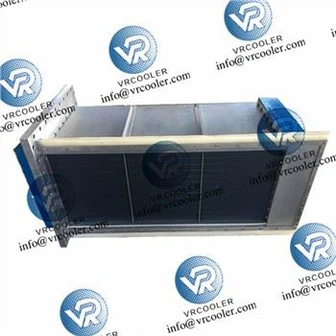
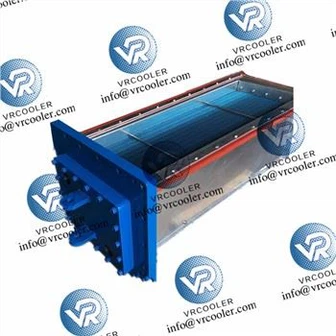
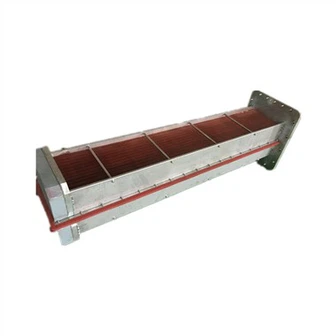
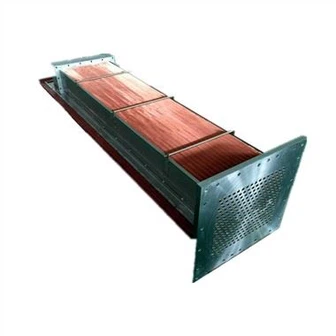
The project involved a customized modification of the compressor's interstage cooler:
- Key Modifications
Enhanced heat-exchange tube bundles designed for higher recovery efficiency
Secondary heat recovery loop integrated into existing cooling circuit
Reinforced thermal design to ensure compressed-air outlet stays below 42°C
Hot-water circuit optimized for high-temperature operation
After the upgrade, the system successfully captured the thermal energy from the interstage compression process and transferred it into water.
Energy-Saving & Economic Benefits
1. Huge Operational Cost Reduction
By replacing traditional steam or electric heaters, the plant saves large amounts of fuel or electricity every year.
2. Reduced Carbon Emissions
Heat recovery is one of the most effective ways to lower industrial CO₂ emissions without affecting production.
3. Extended Compressor Life
Better thermal management helps maintain stable operating temperatures for the compressor system.
4. Fast Payback Period
Most heat-recovery retrofits pay back within 3–12 months, depending on hot-water demand.
This successful upgrade demonstrates how a 135 m³/min centrifugal air compressor can become a powerful energy-recovery source. By capturing its waste heat, factories can produce 92°C process hot water, eliminate steam and electric heaters, reduce energy costs, and significantly improve sustainability.