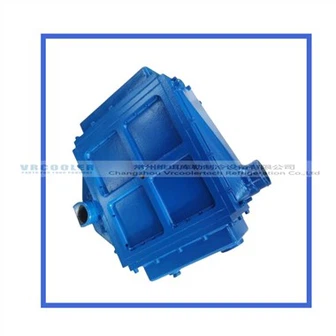
Energy Saving From Compressor Heat Recovery
The energy savings from compressor heat recovery are substantial, potentially reaching tens of thousands of dollars annually. Since compressors convert up to 94% of their electrical energy into heat, recovering even a portion of this waste energy directly reduces your spending on other heating sources like electricity, natural gas, or fuel oil.
Key Factors Influencing Your Savings
The actual savings you achieve will depend on a few specific conditions in your facility:
Operational Overlap is Crucial: Heat recovery generates savings only when the compressor is running AND there is a simultaneous demand for heat (e.g., space heating, hot water). If your production runs 24/7 but the building only needs heat for 8 hours, you won't capture the full potential savings .
Recovery Potential by Cooling Type: The method your compressor uses to cool itself affects how much heat you can capture. Air-cooled compressors can typically recover 60-80% of the input energy, while water-cooled compressors can recover up to 90% .
Your Current Heating Fuel: The type of energy you are replacing is the biggest driver of the dollar value of your savings. Replacing expensive electric resistance heating yields much higher savings than offsetting natural gas, as shown in the table above.
Given the large potential energy savings and typical payback periods of 9 to 18 months, investing in heat recovery is widely considered one of the most profitable efficiency projects for any facility using compressed air .