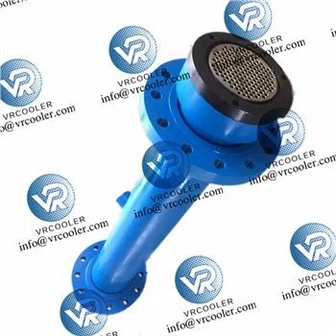
Dry Cooler For Mitsubishi Gas Generator 1.5 Mw
Vrcooler has received an inquiry from a customer in the USA who requires a dry cooler for Mitsubishi gas generator 1.5 mw

A dry cooler, also known as an air-cooled heat exchanger, is a device used to dissipate heat from a gas generator (e.g. a gas turbine or internal combustion engine) without the need for water or other liquid coolant. Dry coolers are typically used where water availability is limited or where the use of liquid coolant is not desirable for a variety of reasons, such as environmental concerns or cost considerations.
The following is how a dry cooler works to cool a gas generator:
1. Heat transfer: The main function of a dry cooler is to transfer heat from the hot gas generator to the surrounding air. This is achieved through the use of heat exchanger coils.
2. Heat Exchanger Coils: Dry coolers consist of a network of finned tubes or coils. These coils are usually made of materials that conduct heat efficiently, such as copper or aluminium. Hot exhaust gases from the gas generator flow through these coils.
3. Airflow: One or more fans are used to blow ambient air through the heat exchanger coils. As the air passes through the coils, it absorbs heat from the hot gases inside the coils. This process cools the gas.
4. Heat Dissipation: The now heated air is vented to the atmosphere and cooler ambient air is continuously drawn in to replace it. This cycle continues, producing a continuous cooling effect on the gas generator.

Advantages of using dry coolers for gas generators:
1. Water saving: Dry coolers do not require water for cooling, making them ideal for areas with limited water resources or for water-sensitive environments.
2. Reduced operating costs: Dry coolers are more cost-effective to operate as they do not require water treatment, pumping or other costs associated with liquid cooling systems.
3. Environmental considerations: Dry coolers do not release hot water into the environment, which can have an ecological impact. They are also less likely to leak or contaminate.
4. Compact design: Dry coolers can be designed to be compact and are often modular, making them suitable for a wide range of installation settings.
5. Ease of maintenance: Compared to wet cooling systems, dry coolers typically have lower maintenance requirements, as there are no water-related problems such as scaling or corrosion.