Difference Between CACW, CACA, And TEWAC Cooling Systems
Electrical machines such as large motors and generators generate significant heat during operation. To maintain efficiency and prevent overheating, different closed-circuit cooling systems are used - mainly CACW, CACA, and TEWAC. While all three are totally enclosed systems that protect the internal air circuit from contamination, they differ in how the heat is ultimately removed.

1. CACW – Closed Air Circuit Water-Cooled
- Cooling Principle:
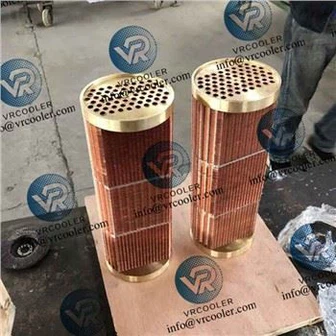
Hot air from the generator's internal circuit passes through a water-cooled heat exchanger (CACW cooler). Heat is transferred from the air to the cooling water circulating inside the finned tubes.
- Characteristics:
Uses cooling water as the final heat sink
Very high heat transfer efficiency
Ideal for power plants or facilities with a stable water supply
Compact and quiet operation
- Typical Application:
Large turbo-generators, hydro-generators, and high-capacity motors where cooling water is readily available.
2. CACA – Closed Air Circuit Air-Cooled
- Cooling Principle:
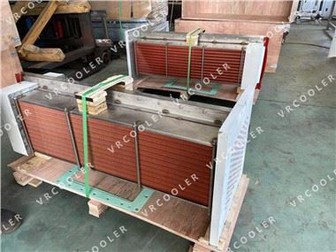
Hot internal air passes through an air-to-air heat exchanger. The heat is transferred to ambient air using external fans that blow air across the cooler surface.
- Characteristics:
Uses ambient air instead of cooling water
Suitable for dry environments or areas without a water source
Slightly lower cooling efficiency than CACW
Requires larger heat exchanger area and fan power
- Typical Application:
Industrial plants, desert regions, or mobile generator systems where water use is restricted.
3. TEWAC – Totally Enclosed Water-to-Air Cooled
- Cooling Principle:
The TEWAC system is essentially similar to CACW, where the heat from the enclosed air circuit is transferred to water via a heat exchanger. The term TEWAC is often used as a machine cooling classification defined by IEC/ISO standards rather than a separate system type.
- Characteristics:
"Totally Enclosed" indicates that the motor or generator is sealed from external air
"Water-to-Air" means it uses water as the final cooling medium
Provides high protection (IP rating) and is suitable for harsh industrial environments
- Typical Application:
Large industrial motors, compressors, and power generators in chemical plants, steel mills, and marine installations.
Summary Table
| Cooling Type | Full Name | Cooling Medium | Efficiency | Water Requirement | Typical Use |
|---|---|---|---|---|---|
| CACW | Closed Air Circuit Water-Cooled | Water | ★★★★★ | Required | Power plants, hydro & turbo-generators |
| CACA | Closed Air Circuit Air-Cooled | Air | ★★★★ | Not required | Remote or dry areas |
| TEWAC | Totally Enclosed Water-to-Air Cooled | Water | ★★★★★ | Required | Industrial motors and generators |