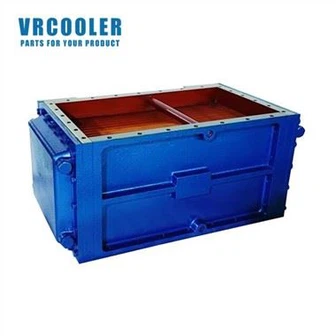
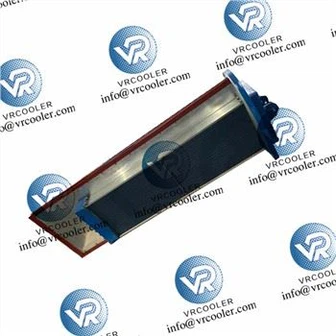
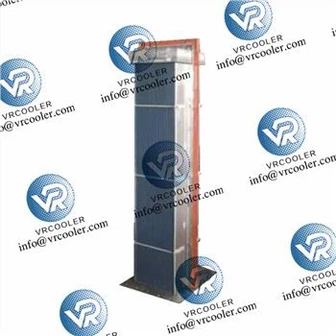
Diesel Air Cooler For Turbocharged Diesel Engines
Diesel Air Cooler for Turbocharged Diesel Engines
Diesel air cooler (Air Cooler) is a device used to cool the pressurized air of diesel engines, usually used in turbocharged diesel engines. Its main function is to cool the pressurized air to increase the air density, thus improving the combustion efficiency and power output of the engine.
Working Principle of Diesel Engine Air Cooler
Supercharged air cooling: after the turbocharger compresses the air, the air temperature will rise significantly. High temperature air has lower density and less oxygen content, which affects combustion efficiency. The air cooler improves combustion efficiency by cooling the pressurized air, lowering its temperature and increasing its density so that more oxygen enters the cylinder.
Heat exchange: The air cooler usually consists of a series of heat sinks and piping. The pressurized air flows through the piping, and the outside air or cooling medium (e.g., water or air) passes through the heat sinks to take away the heat and realize heat exchange.
Improved engine performance: The increased density and oxygen content of the cooled air contributes to fuller combustion, improving engine power output and fuel economy.
The Main Role of Diesel Air Cooler
Improve combustion efficiency: the oxygen content of the cooled air increases, promoting full combustion of fuel.
Reduce emissions: Full combustion reduces the emission of harmful gases (such as CO, HC and NOx).
Reduce engine heat load: Reduce the intake air temperature, reduce the heat load of the engine and prolong the engine life.
Increase power output: Increase air density to increase engine power and torque.
Common Problems with Diesel Air Coolers
Clogging: The air cooler heat sink is easily clogged by dust, oil or debris, affecting the cooling effect.
Leakage: Damage to the piping or heat sink may lead to leakage of pressurized air, reducing engine performance.
Corrosion: After long-term use, the air cooler may be damaged by corrosion, especially in humid or salt spray environments.
Reduced cooling efficiency: cooling effect will be reduced when the ambient temperature is too high or the cooling medium is insufficient.
Maintenance and Upkeep
Regular cleaning: Clean the surface of the air cooler of dust and debris to ensure the cooling effect.
Leakage check: Check the air cooler piping and interface regularly to ensure no leakage.
Anti-corrosion treatment: Take anti-corrosion measures when used in corrosive environment.
Replacement of damaged parts: When the air cooler is found to be damaged, replace or repair it in time.