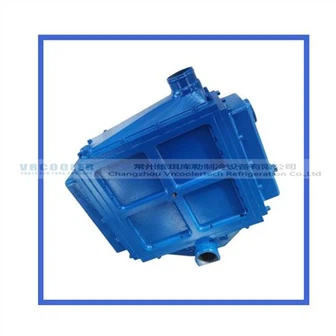
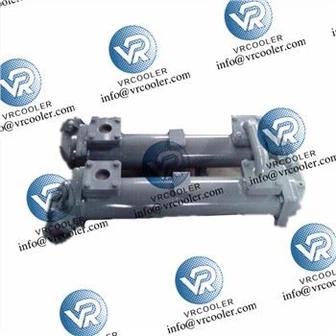
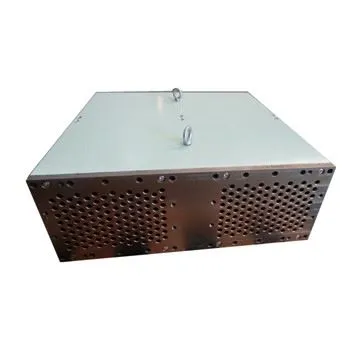
Design And Manufacture Air-Water Inter/After-Coolers For Turbo Compressors
Air compressor cooler design is a critical component to ensure proper operation and effective cooling of your air compressor.
Here are a few key factors to consider when designing an air compressor cooler:
Heat Discharge: Air compressors generate a large amount of heat during operation, and the design of the cooler should effectively discharge this heat to prevent overheating and damage to the equipment.
Cooling medium selection: Coolers usually use water or air as the cooling medium. For small air compressors, air coolers are usually used, while for large air compressors, water coolers may be required. The choice of cooling medium should be based on actual demand and environmental conditions.
Heat dissipation surface area: the larger the heat dissipation surface area of the cooler, the better the cooling effect. Therefore, it is necessary to ensure that the size of the cooler is large enough to provide sufficient heat dissipation surface area during the design process.
Cooling duct design: If an air cooler is used, the design of the cooling duct is very important. A good cooling duct design ensures that air can flow effectively through the heat sinks and improves cooling efficiency.
Material selection: The material of the cooler should have good corrosion resistance and thermal conductivity to ensure long-term stable operation.
Cleaning and Maintenance: The cooler should be designed into a structure that is easy to clean and maintain to ensure that the cooling effect is always good and to extend the service life of the equipment.

When designing the air compressor cooler, the above factors need to be considered comprehensively to ensure that the cooling system can effectively reduce the operating temperature of the air compressor and improve the operating efficiency and reliability of the equipment.