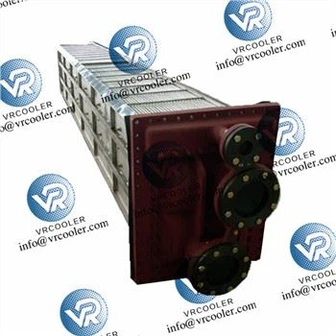
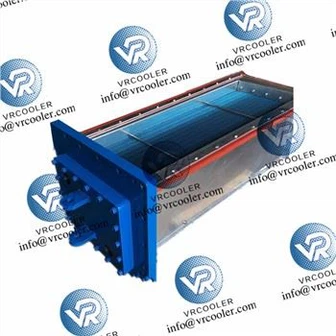
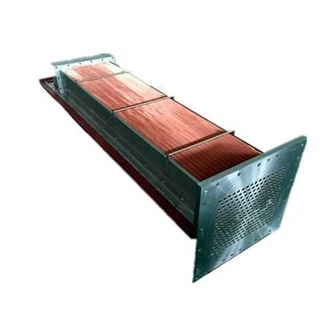
Customized Design H2/Air Cooler For Generator
Designing a customized H2 (hydrogen)/Air cooler for a generator involves several considerations to ensure efficient cooling and overall system safety.
Here are the key steps and considerations for designing a customized H2/Air cooler:
Cooling Requirements:
Define the specific cooling requirements for the generator. Consider factors such as heat dissipation, temperature control, and thermal management.
Hydrogen Properties:
Understand the properties of hydrogen, including its high thermal conductivity and low density, which affect heat transfer and system design.
Safety Measures:
Implement safety measures to address the flammability of hydrogen. This may include leak detection systems, ventilation, and explosion-proof designs.
Material Selection:
Choose materials compatible with hydrogen. Special attention should be given to materials that prevent hydrogen embrittlement and leakage.
Heat Exchanger Design:
Design an effective heat exchanger for the H2/Air cooling system. Consider factors such as surface area, flow rates, and pressure drops to optimize heat transfer.

Airflow Management:
Optimize airflow around the generator to enhance cooling efficiency. Consider the generator's layout and the placement of cooling elements to ensure proper heat dissipation.
Temperature Control:
Implement a temperature control system to maintain optimal operating temperatures. This may involve the use of sensors, feedback loops, and control algorithms.
Leak Detection and Ventilation:
Incorporate a reliable hydrogen leak detection system and adequate ventilation to mitigate safety risks associated with hydrogen.
Regulatory Compliance:
Ensure that the design complies with relevant safety and regulatory standards for hydrogen-based cooling systems.
Testing and Validation:
Conduct thorough testing and validation of the customized cooler design. This may involve simulation studies, prototype testing, and performance evaluations.
Maintenance Considerations:
Design the system with ease of maintenance in mind. Consider access points for inspection, and ensure that components are readily replaceable if needed.