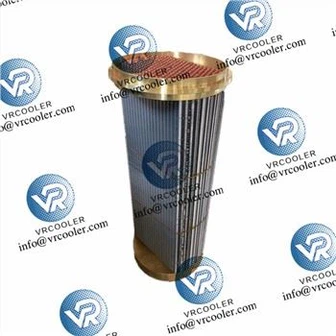
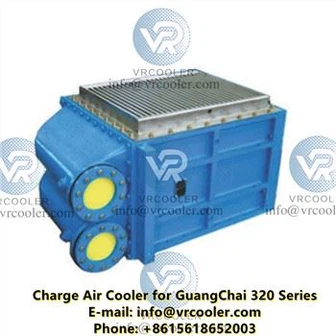
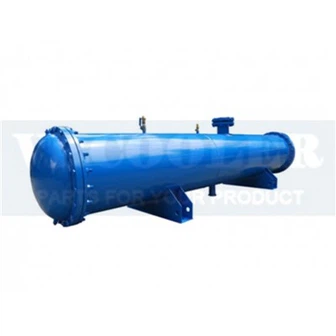
Custom Shell & Tube NH₃ Evaporators For Ghana Cocoa Plants | VRCOOLER
In cocoa processing and chocolate manufacturing plants across Ghana (including major industrial hubs in Tema, Takoradi, and Kumasi), maintaining stable low-temperature cooling for cocoa liquor grinding, butter pressing, tempering, and rapid cooling tunnels is vital to final product quality and throughput. VRCOOLER designs and manufactures heavy-duty, custom Shell & Tube Ammonia (NH3 / R717) Evaporators, Flooded Glycol/Water Chillers, and Ice Condenser Systems specifically engineered for Ghana's tropical climate. Fabricated with low-temperature carbon steel (SA333 / SA516 Gr.70) or 304/316L stainless steel (strictly zero-copper construction), VRCOOLER NH3 refrigeration systems handle high ambient temperatures (35°C−40°C) and continuous 24/7 processing loads with high COP efficiency, integrated oil recovery pots, and full ASME / PED pressure compliance.

Refrigeration Demands in Industrial Cocoa Processing (Ghana Context)
Ghana, as one of the world's leading producers of premium cocoa, relies on modern processing facilities that convert raw beans into cocoa mass, cocoa butter, cocoa cake, and cocoa powder. Refrigeration is a core process utility with continuous, multi-stage cooling demands:
Critical Cooling Zones in a Cocoa Plant:
Cocoa Butter Pressing & Fractionation: Rapid solidification and controlled crystallization of cocoa butter requiring constant chilled water or glycol at 1°C to 4°C1°C to 4°C.
Cooling Tunnels for Cocoa Cakes & Moulded Blocks: High-volume chilled air circulation to temper and solidify cocoa products without moisture sweating or surface blooming.
Chocolate Liquor & Powder Milling: Continuous heat removal from high-shear refining and pulverizing mills to prevent fat melting and thermal degradation.
Conditioned Packaging & Storage Warehouses: Deep cooling and dehumidification to maintain finished cocoa butter stability in tropical ambient relative humidity (>85%).
Tropical Climate & Engineering Challenges in Ghana
Operating industrial natural ammonia (NH3) refrigeration in equatorial West Africa requires specialized thermal design:
Elevated Ambient Dry-Bulb & Wet-Bulb Temperatures: Ambient daytime temperatures routinely exceed 35°C, requiring oversized condensing surface areas and robust ice water / thermal storage integration to shave peak power grid tariffs.
Ammonia Material Metallurgy Standards: Natural refrigerant NH3 (R717) is corrosive to copper, brass, and non-ferrous alloys. All VRCOOLER ammonia vessels, tubesheets, and internal tubes are fabricated from certified low-temperature seamless carbon steel or premium stainless steel.
Coastal & Industrial Atmospheric Corrosion: Facilities located near coastal maritime ports (Tema, Takoradi) experience aggressive marine salt air. VRCOOLER equips all structural casings and external headers with heavy-duty multi-coat epoxy primer and UV-resistant polyurethane marine topcoats.
VRCOOLER Custom Ammonia Evaporator & Condenser Solutions
At VRCOOLER, we engineer complete shell-and-tube thermal packages tailored to cocoa processing plant refrigeration loops.
1. Flooded Shell & Tube NH3NH3 Liquid Chillers (Evaporators)
Refrigerant in Shell / Water in Tubes: Liquid ammonia evaporates on the shell side with low boiling thermal resistance, while clean fresh water or food-grade propylene glycol circulates through seamless tubes at 1.5 m/s−2.2 m/s.
Integrated Liquid Surge Drum (Knockout Drum): Top-mounted suction accumulator with high-efficiency mesh demisters prevents liquid ammonia carryover to screw or reciprocating compressors.
Dedicated Oil Collection & Drain Pots: Sump collection pots and manual/automated oil recovery valves allow easy drainage of compressor lubricating oil from the lower shell.
2. High-Efficiency Shell & Tube NH3 Condensers & Ice Condensers
High Design Pressures (25 bar): Engineered for severe tropical peak ambient temperatures, ensuring stable head pressure and avoiding high-pressure compressor trips.
Cleanable Waterbox Headers: Removable bolted channel covers allowing mechanical rodding of cooling tower water tubes without opening the ammonia envelope.
Dual Pressure Relief Valve Manifolds: 3-way changeover valves with dual safety relief valves (ASME Section VIII compliant) for uninterrupted maintenance.
3. Ice Water & Thermal Storage Heat Exchangers
Peak-Shaving Ice Banks: Generates and stores ice water at 0.5°C−1.0°C during low-cost nighttime electrical hours, providing massive buffer capacity during daytime peak processing without overloading the primary power grid.
Technical Specifications: VRCOOLER NH3 Thermal Systems
|
Parameter |
VRCOOLER Shell & Tube NH3NH3 Evaporator |
VRCOOLER Shell & Tube NH3NH3 Condenser |
|---|---|---|
|
Refrigerant Medium |
Natural Ammonia (NH3 / R717) |
Natural Ammonia (NH3 / R717) |
|
Cooled Fluid / Medium |
Water (1°C−4°C) / Propylene Glycol (−5°C) |
Cooling Tower Water / Well Water / Sea Water |
|
Thermal Capacity Range |
150 kW to 3,500 kW per unit |
200 kW to 5,000 kW per unit |
|
Shell Metallurgy |
SA516 Gr.70 Carbon Steel / 304L/316L SS |
SA516 Gr.70 Carbon Steel / Heavy Boiler Plate |
|
Tube Metallurgy |
Seamless Low-Temp Carbon Steel / 316L SS |
Carbon Steel (SA179/SA214) / 316L SS / Titanium |
|
Tube-to-Tubesheet Joint |
Precision CNC Grooved & Roller Expanded / TIG Seal Welded |
Precision Roller Expanded / Seal Welded |
|
Design Pressure (Shell) |
16 bar−20 bar (Low-side rating) |
25 bar (High-side tropical rating) |
|
Design Pressure (Tube) |
10 bar−16 bar |
10 bar−16 bar |
|
Testing Standards |
100% Hydrostatic (1.5×1.5×), Helium Leak Test |
100% Hydrostatic, Pneumatic, X-ray NDT |
|
Code Compliance |
ASME Section VIII Div. 1, TEMA C/R, PED |
ASME Section VIII Div. 1, TEMA C/R, ISO 9001 |
Why Cocoa Processors and Industrial EPCs Choose VRCOOLER
Industrial food plants and engineering contractors partner with VRCOOLER for proven thermal reliability:
Strict Food-Grade & Safety Standards: Clean fluid loops for food and beverage compliance, full material traceability, and helium-tight ammonia vessel fabrication.
Energy-Optimized Heat Transfer Coefficients: High-efficiency internal baffles and multi-pass tube layouts maximize the overall heat transfer coefficient (U-valueU-value), lowering compressor power consumption (kW/TR).
Seamless Turnkey Skid Customization: Pre-piped modular skids with level controls, liquid expansion valves, temperature transmitters, and skid-mounted isolation valves for rapid installation on-site.
Heavy-Duty Protective Coating Systems: Multi-stage grit blasting to Sa 2.5 followed by high-build epoxy zinc-rich primer and polyurethane topcoats engineered for hot, humid African industrial environments.
Maintenance & Operating Best Practices for Ammonia Coolers
To maintain peak refrigeration efficiency and operator safety in tropical industrial plants, VRCOOLER recommends:
Scheduled Oil Draining: Drain collected compressor oil from the lower evaporator oil pot weekly or bi-weekly to prevent oil-film insulating layers on tube surfaces.
Water-Side Tube Cleaning & Descaling: Open the bolted waterbox covers every 6 to 12 months to mechanically brush tubes and remove cooling tower mineral scale or biological slime.
Safety Valve & Pressure Relief Verification: Inspect and recertify dual ammonia safety relief valves annually in compliance with local industrial safety protocols.
Water Chemistry Control: Maintain pH between 7.5 and 9.0 with regular biocide and corrosion inhibitor dosing in cooling tower loops.
Frequently Asked Questions (FAQ)
Q1: Why is Ammonia (R717) preferred over synthetic Freon refrigerants for cocoa processing plants?
A: Ammonia has zero Ozone Depletion Potential (ODP=0), zero Global Warming Potential (GWP=0), superior thermodynamic heat transfer efficiency, and lower operating power costs per ton of refrigeration, making it the industry standard for large continuous food processing facilities.
Q2: How does VRCOOLER prevent ammonia leaks into the cocoa process water stream?
A: VRCOOLER utilizes high-precision CNC-machined tubesheets with dual-groove roller expansion and full orbital TIG seal welding, followed by 100%100% hydrostatic testing at 1.5× design pressure and sensitive helium mass-spectrometer leak testing prior to shipment.
Q3: Can VRCOOLER design ammonia evaporators for sub-zero glycol applications (e.g., -5°C to -10°C)?
A: Yes. We engineer low-temperature flooded evaporators using impact-tested low-temperature carbon steels (such as ASME SA333 Gr. 6 and SA516 Gr. 70N) or AISI 304L/316L stainless steel, preventing low-temperature embrittlement during sub-zero cooling cycles.
Q4: Can VRCOOLER supply 1:1 replacement evaporators or condensers for existing plants in Ghana?
A: Yes. VRCOOLER specializes in custom retrofit manufacturing. By providing existing vessel dimensions, nozzle centerline spacing, and thermal load, we fabricate direct drop-in replacement units that bolt directly into your current piping infrastructure.
Partner with VRCOOLER for Industrial Food & Chemical Refrigeration
Protect product quality, optimize refrigeration energy efficiency, and ensure uninterrupted cocoa processing throughput with heavy-duty thermal systems. Partner with VRCOOLER, the global specialist in custom industrial heat exchangers, ammonia evaporators, and process condensers.
Explore VRCOOLER Industrial Refrigeration Solutions: Visit www.vrcooler.com
Request a Custom Engineering Design or Project Proposal: Contact our industrial refrigeration team at [email protected] with your process cooling requirements, temperatures, and dimensional constraints.