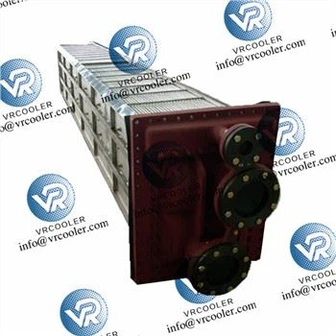
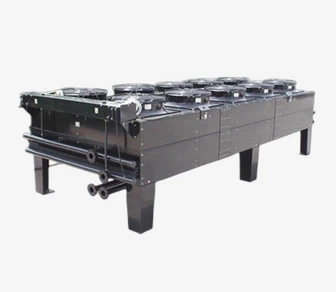
Cooler Design And Modification Of The Screw Compressor
I. Importance of Cooler in Screw Compressor
The cooler in a screw compressor is responsible for dissipating heat generated during the compression process. This helps maintain the optimal operating temperature of the compressor, preventing overheating and potential damage to internal components. A well-designed cooler can improve the performance and reliability of the compressor.
II. Cooler Design Considerations
Heat Transfer Efficiency
Select materials with high thermal conductivity to enhance heat transfer.
Optimize the design of cooling channels to increase the surface area for heat exchange.
Consider the flow rate and temperature of the cooling medium to ensure effective heat removal.
Pressure Drop
Minimize pressure drop across the cooler to reduce energy consumption.
Design the cooler with smooth flow paths and appropriate sizing to avoid excessive resistance.
Durability and Reliability
Use corrosion-resistant materials to withstand the harsh operating environment.
Ensure proper sealing to prevent leaks and contamination of the cooling medium.
Consider the mechanical strength of the cooler to withstand vibrations and thermal stresses.

III. Modification Options
Upgrading Cooling Medium
Consider using a more efficient cooling medium with better heat transfer properties.
For example, switching from water to a specialized coolant can improve cooling performance.
Adding Heat Exchangers
Install additional heat exchangers in series or parallel to increase the overall cooling capacity.
This can be particularly useful in applications with high heat loads.
Optimizing Fan or Blower Design
Upgrade the fan or blower used for forced air cooling to improve airflow and heat dissipation.
Consider variable speed drives to adjust the cooling capacity based on operating conditions.
Insulation and Thermal Management
Apply insulation to the cooler and surrounding components to reduce heat losses.
Implement thermal management strategies to optimize the temperature distribution within the compressor.
IV. Benefits of Cooler Design and Modification
Improved Performance
Enhanced cooling efficiency leads to better compressor performance and increased capacity.
Reduced operating temperatures can extend the life of internal components and reduce maintenance requirements.
Energy Savings
Efficient cooling reduces the energy consumption of the compressor, resulting in lower operating costs.
Minimized pressure drop across the cooler also contributes to energy savings.
Increased Reliability
A properly designed and maintained cooler reduces the risk of overheating and equipment failures.
This leads to increased uptime and productivity.

In conclusion, cooler design and modification of the screw compressor is an important aspect of ensuring its optimal performance, energy efficiency, and reliability. By considering factors such as heat transfer efficiency, pressure drop, and durability, and implementing appropriate modifications, you can improve the cooling capabilities of your screw compressor and enhance its overall operation.