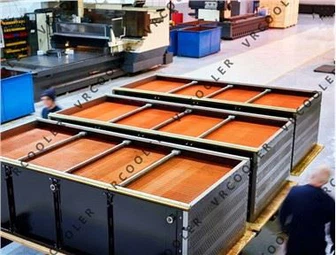
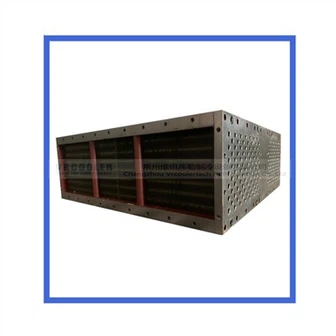
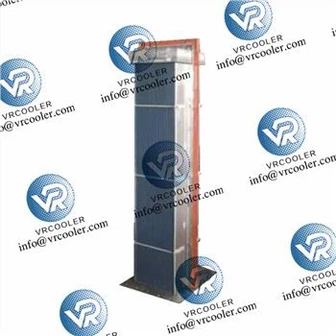
Common Types Of Generator Coolers
A generator cooler is a device used to cool the generator, which can effectively control the temperature of the generator to ensure its normal operation and prolong its service life.

The following are some common types of generator coolers:
Water cooler: Water coolers use water as the cooling medium to absorb and carry away the heat generated by the generator by circulating water. A water cooler usually consists of a cooling water tank, water pump, radiator and piping. Water coolers have high cooling capacity and are suitable for high-power generators and high-temperature environments.
Air cooler: Air coolers use air as the cooling medium, and dissipate heat through natural convection or fan assistance. An air cooler usually consists of a heat sink, a fan and a housing. Compared with water coolers, air coolers are simple in structure, easy to maintain, and suitable for small or low power generators.
Liquid-air-cooled combination cooler: This type of cooler combines water and air cooling advantages. The water cooler is usually used to cool the key parts of the generator, such as the stator and rotor, and then the water cooler is further cooled by the air cooler. This combination cooler suits medium to high power generators and provides high cooling efficiency.
The following factors also need to be considered when designing a generator cooler:
Cooling requirements: Determine the required cooling capacity based on factors such as generator power, operating temperature and ambient temperature.
Material selection: Choose materials with good thermal conductivity, corrosion resistance and mechanical strength, such as copper, aluminum and stainless steel.
Fluid circulation: Design a suitable fluid circulation system to ensure that the cooling medium can flow effectively through the generator cooler and maintain proper flow and pressure.
Temperature monitoring: install temperature sensors to monitor the temperature of the generator and cooler, detect abnormalities in time and take appropriate measures.
Safety measures: including pressure relief valves, over-temperature alarms and overload protection devices to protect the generator cooling system from overheating and high pressure.
Maintenance and cleaning: Regularly clean the generator cooler to ensure its normal operation and heat dissipation effect.