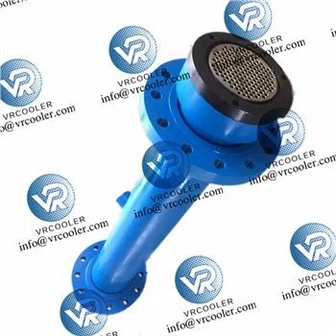
Charge Air Cooler (CAC) Cleaning And Maintenance
Charge air cooler (CAC, also known as intercooler) maintenance focuses on external/internal cleaning, leak testing, and periodic inspection to ensure cooling efficiency, prevent power loss, and avoid turbocharger damage.
1. Maintenance Intervals
External cleaning: Every 250–400 operating hours (or monthly in dusty/corrosive environments like construction sites, coastal areas, or winter roads with salt).
Internal cleaning: Every 1,000–2,000 hours, or when symptoms appear (engine power drop, black exhaust, increased fuel consumption, or turbo oil leakage).
Pressure testing: Every 6 months or after turbocharger replacement/repair.
2. External Cleaning (Heat Rejection Side)
Tools & Materials
Low-pressure compressed air (<0.3 MPa / 43 PSI)
Mild detergent/degreaser (non-corrosive, aluminum-safe)
Soft-bristle brush, fin comb
Low-pressure water hose (<5 bar)
Step-by-Step
Disconnect power and isolate CAC from the turbo/intake manifold.
Blow debris: Use compressed air from the outlet side to the inlet side (reverse airflow) to remove dust, insects, and leaves. Keep the nozzle 15–20 cm away to avoid bending thin aluminum fins.
Degrease: Spray mild detergent on oily surfaces, soak for 5–10 minutes, and gently brush with a soft brush. For bent fins, use a fin comb to straighten carefully.
Rinse: Flush with low-pressure water (vertical to the core) to avoid fin damage. Do not use high-pressure washers directly.
Dry: Air-dry completely before reinstallation to prevent corrosion.
3. Internal Cleaning (Air Passage Side)
Internal fouling (oil sludge, carbon deposits) is often caused by turbo seal failure or crankcase ventilation issues.
Tools & Materials
CAC-specific cleaner (or 2% soda ash solution at 70–80°C / 158–176°F)
Soft brush, plastic plugs
Clean water, drain pan
Optional: Ultrasonic cleaner or boil-out tank (professional use)
Step-by-Step
Remove CAC from the engine and drain all residual oil/coolant.
Seal openings: Plug inlet/outlet ports with plastic caps/plugs to prevent leaks.
Fill & soak: Pour cleaner into the CAC (fill to 40% volume). Lay flat, agitate by hand for 5 minutes on each end, then let soak for 1–2 hours.
Drain & repeat: Drain dirty fluid. Repeat cleaning until the drained liquid is clear (no oil/sludge).
Rinse thoroughly: Flush multiple times with clean water to remove all cleaner residue (residue causes corrosion).
Dry: Air-dry completely (24 hours recommended) or use low-pressure hot air (<60°C / 140°F).
4. Leak Inspection & Pressure Testing
Visual Check
Inspect core, end tanks, and welds for oil stains, cracks, or corrosion (oil spots indicate air leaks).
Check hoses/clamps for tightness, aging, or cracks.
Pressure Test (Critical for Hidden Leaks)
Seal all ports (inlet, outlet, drain) with plugs.
Pressurize with compressed air (0.2–0.3 MPa / 29–43 PSI, per engine manual).
Submerge in water: Check for bubbles (bubbles = leaks). Mark leak points for repair.
Acceptance criteria: Pressure drop <10 kPa (1.5 PSI) per minute; otherwise, repair or replace the CAC.
5. Routine Maintenance & Protection
Vibration control: Ensure proper mounting to avoid crack damage from vibration.
Corrosion prevention: In coastal/winter salt areas, rinse monthly with fresh water; use aluminum-safe corrosion inhibitors.
Fin protection: Avoid road debris impact; install a grille guard if operating in harsh conditions.
Turbo monitoring: Check turbo oil consumption regularly-excess oil causes rapid CAC fouling.
6. Common Mistakes to Avoid
❌ High-pressure washing (bends fins, damages seals).
❌ Harsh chemicals (corrodes aluminum core; use only aluminum-safe cleaners).
❌ Incomplete rinsing (cleaner residue causes long-term corrosion).
❌ Ignoring small leaks (worsens over time, reduces power, and increases fuel use).
7. When to Replace
Severe core corrosion or irreparable cracks.
Persistent leaks after repair.
>30% fin damage (impairs heat transfer).
Internal clogging that cannot be cleaned (restricts airflow).