Box Cooler in Marine Applications
A Box Cooler is a type of heat exchanger commonly used in marine applications for cooling the engines and other machinery on ships. It operates by utilizing the surrounding seawater as a coolant.
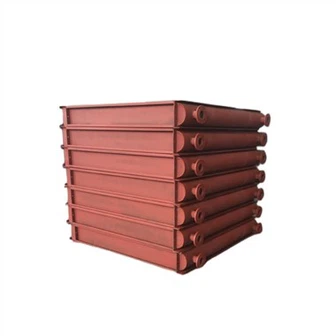
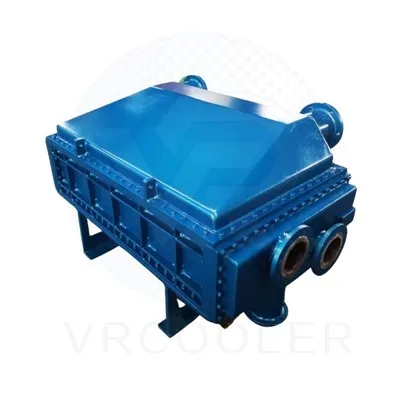
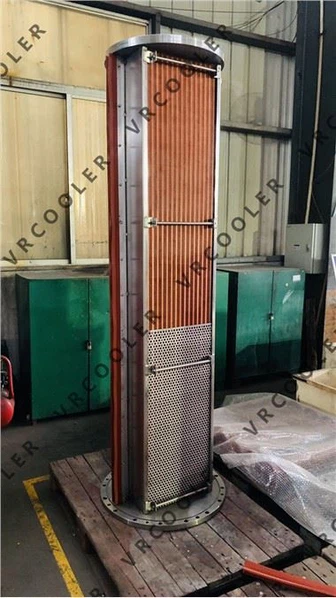
The Box Cooler is typically designed as a rectangular or box-shaped heat exchanger, hence the name. It consists of a series of U-shaped tubes or a tube bundle through which seawater flows.
It is usually located inside a sea chest within the hull of the ship. The sea chest is a chamber that allows direct access to seawater, facilitating the cooling process.
Seawater serves as the coolant fluid. The heat exchanger extracts heat from the machinery or engine systems by transferring it to the seawater.
U-Tube Bundle:
The U-tube bundle design allows for efficient heat transfer. Seawater circulates through these tubes, absorbing heat from the systems inside the vessel.

Box Coolers often rely on natural convection for the flow of seawater. As the water near the heated tubes warms up, it rises, creating a natural circulation pattern that enhances heat dissipation.
In addition to natural convection, the movement of the ship itself, as it travels through the water, can create a forced circulation of seawater. This enhances the cooling efficiency, especially at higher vessel speeds.
Box Coolers are efficient in dissipating heat from the ship's engines and machinery, preventing overheating and maintaining optimal operating temperatures.