Boiler Heat Recovery Helps Printing Factories Achieve Energy Conservation And Environmental Protection
The core of boiler heat recovery in printing factories is to capture the sensible and latent heat in boiler exhaust through professional heat exchange equipment, and apply it back to production and living scenarios, achieving the cascading utilization of energy. The production characteristics of the printing industry determine its continuous demand for thermal energy. Whether it is the drying process of gravure printing machines and coating machines, or the winter heating of workshops and the supply of hot water for employees, stable thermal energy support is needed. This provides a natural scenario for the efficient utilization of boiler heat recovery. Unlike the traditional extensive operation mode, modern boiler heat recovery systems can achieve precise recovery and circulation of waste heat through scientific design, which not only solves the problem of energy waste but also adapts to the diverse heat needs of printing production.
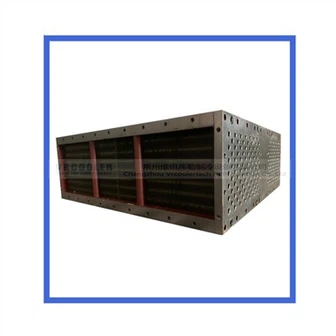
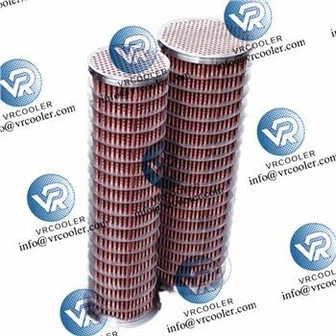
In practical applications, printing plant boiler heat recovery technology presents diverse adaptation solutions, which can be flexibly selected according to their own production scale and heat demand. Small printing factories can use simple flue gas heat exchangers to recover sensible heat from boiler exhaust, which can be used to preheat boiler feedwater or workshop fresh air, reducing fuel consumption; Medium and large printing factories can build integrated heat recovery systems, combined with condensing heat exchange technology, to lower the flue gas temperature below the dew point. This not only recovers sensible heat but also captures latent heat released during the condensation process of water vapor, greatly improving heat recovery efficiency. For example, some printing factories use tubular heat exchangers, combined with dust and acid removal chamber designs, which not only avoid the corrosion of equipment by dust and acidic substances in the flue gas, but also efficiently recover waste heat, increasing boiler thermal efficiency by 5% -12% and reducing exhaust gas temperature by 30-80 ℃, truly achieving the goal of "turning waste into treasure".

The benefits brought by boiler heat recovery technology to printing factories are multidimensional, reflected not only in the reduction of economic costs, but also in the practice of environmental responsibility. From an economic perspective, waste heat recovery can directly reduce boiler fuel consumption. Calculated based on 6000 hours of industrial boiler operation per year, an efficient heat recovery system can help enterprises save tens of thousands or even hundreds of thousands of yuan in fuel costs annually. The investment return period can usually be controlled within 1-3 years. A printing factory in the United States installed an air-to-air heat exchanger to recover the waste heat generated during VOC treatment, achieving an annual energy savings of $250000 and recouping investment costs in just one year. For printing factories, this is undoubtedly an important measure to reduce operating costs and enhance market competitiveness.
In terms of environmental protection, boiler heat recovery not only reduces energy waste caused by fuel combustion, but also effectively reduces pollutant emissions. After recovering waste heat, the boiler combustion load is reduced, and the emissions of pollutants such as nitrogen oxides and dust are also reduced. At the same time, during the flue gas cooling process, condensed water can wash and capture some acidic gases, further purifying the emitted flue gas and helping printing factories meet strict environmental emission standards. For example, Beijing Institute of Printing and Technology introduced flue gas waste heat recovery technology in the boiler room renovation, combined with efficient condensing module furnaces, to achieve the strict requirement of nitrogen oxide emissions ≤ 30mg, providing a demonstration reference for environmental protection renovation in the printing and related industries. In addition, waste heat recovery reduces fossil fuel consumption, indirectly lowers carbon emissions, helps printing factories practice green production concepts, and establishes an environmentally friendly corporate image.
With the continuous deepening of green transformation in the printing industry, the application of boiler heat recovery technology will become more widespread and mature. In the future, combined with intelligent control technology, the heat recovery system can achieve real-time monitoring and dynamic adjustment of flue gas temperature and flow rate, further improving the efficiency of waste heat recovery; Modular design allows the system to adapt to printing factories of different scales, reducing the threshold for renovation. For printing factories, introducing boiler heat recovery technology is not only an inevitable choice in response to national energy conservation and emission reduction policies, but also a long-term plan to achieve cost reduction, efficiency improvement, and sustainable development.