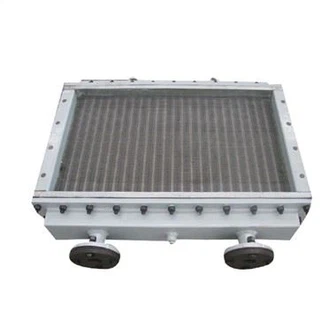
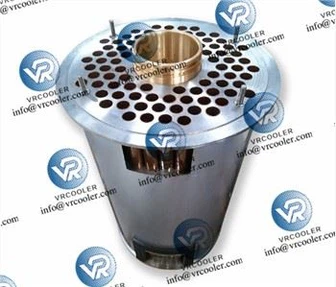
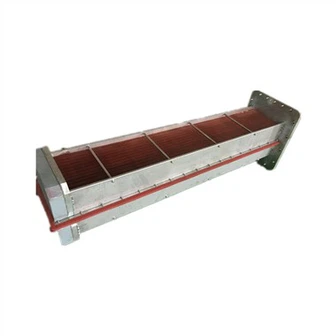
Bearing Oil Coolers For Hydroelectric Power Plants
Bearing oil coolers are used in industrial facilities, such as hydroelectric power stations, to maintain normal operating temperatures of bearings. There is a lot of rotating equipment in hydropower plants, such as hydroelectric generators, and their bearings need to be kept at the proper operating temperature to ensure their stability and longevity. The role of the bearing oil cooler is to absorb the heat generated from the moving parts in which the bearings are located, and then transfer the heat to the environment by means of cooling oil to keep the bearings within a safe operating temperature range.

The following are some of the important roles of bearing oil coolers in hydroelectric power plants:
1. Temperature control: Bearings of high-speed rotating equipment generate heat during operation. If the heat is not dissipated in time, the high temperature may lead to problems such as bearing wear and lubricating oil aging, which will ultimately affect the life span and reliability of the equipment. Bearing oil coolers help keep bearing temperatures within safe limits by transferring heat from the bearing to the cooling oil and then radiating the heat to the surrounding environment.
2. Heat Discharge: Heat generated by equipment such as generators in hydropower plants needs to be discharged in a timely manner to prevent the equipment from overheating. Bearing oil coolers can help transfer some of the heat to the cooling oil, which is then released into the air through radiators and other means to maintain the operating temperature of the equipment.
3. Lubrication and maintenance: Cooling oil can not only be used to dissipate heat, but can also act as a lubricant in bearings to reduce friction and wear. Proper oil temperature helps maintain lubrication performance and ensures proper equipment operation.
4. Preventing breakdowns: High bearing temperatures can lead to equipment failure and downtime, which can affect production. By using a bearing oil cooler, malfunctions caused by temperature problems can be effectively prevented and the reliability and stability of the equipment can be improved.
In hydropower plants, bearing oil coolers are often integrated with other monitoring and maintenance systems to monitor bearing temperatures in real time and take action when needed, such as adjusting the cooling oil flow rate or activating a back-up cooling system to ensure that the bearings remain within a safe operating temperature range.