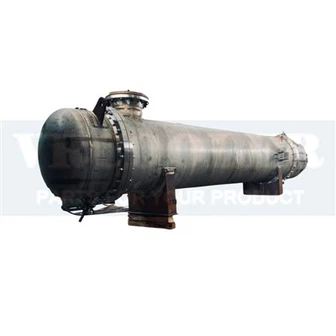
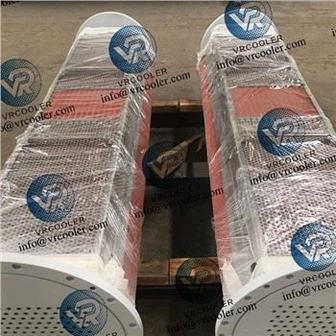
Application Of High And Low Temperature Dry Coolers in Northern Cold Regions
一, Core application scenarios
1. New energy power plants (photovoltaic/wind power/energy storage)
Photovoltaic power station box transformer/collection station: located in the northwest and northeast high-altitude photovoltaic fields, it replaces traditional water cooling to avoid pipeline freezing and cracking in winter. It is suitable for high altitude, strong sandstorms, and unmanned operation, ensuring stable operation of transformers.
Wind power tower/box transformer: In the northern wind power base, in the low-temperature environment inside the tower, the anti freezing design of the dry cooler ensures the heat dissipation of the inverter and transformer, and adapts to tower vibration with seismic and weather resistance.
Energy storage power station: a high-altitude energy storage power station in the north, providing heat dissipation for the battery liquid cooling system, with a wide temperature range of -40 ℃~+40 ℃ temperature control to prevent battery low-temperature performance degradation and high-temperature overheating.
二. Power system
Substation main transformer/distribution transformer: Northern high-altitude substations are preferred for areas with water shortage and winter icing, without the need for a cooling water system. It combines anti freezing and efficient heat dissipation to reduce operation and maintenance costs.
SVG/reactive power compensation device: to cope with load fluctuations and harmonic interference in high-altitude areas, quickly respond to heat dissipation needs, and ensure the safety of power electronic equipment.
三. Industrial and Special Scenarios
Mining/Petrochemical: Northern open-pit mines and oil and gas fields, suitable for -40 ℃ low temperature and high dust environment, providing heat dissipation for transformers, hydraulic systems, and air compressors, with anti blocking and anti freezing design to reduce downtime.
Rail Transit: High speed rail/subway traction transformers and signal systems in cold and high-altitude areas, operating with low noise, earthquake resistance, and wide temperature range to ensure stable power supply for rail transit.
Data Center: Northern high-altitude data center, utilizing natural cold sources for energy conservation in winter, with high and low temperature dry coolers adapted to operate at -30 ℃~+40 ℃, reducing PUE values.
Core technical requirements for high-altitude regions in northern China
1. Ultimate anti freezing design
Heat tracing system: Install electric heat tracing belts on the tube bundle and inlet/outlet, and link the temperature controller (automatically starts when the oil/water temperature is below 5 ℃ and stops when it is above 15 ℃) to prevent medium freezing and tube bundle cracking.
Low flow rate optimization: using large pipe diameter and low resistance flow channels to avoid medium stagnation and freezing at low temperatures; Set up a circulation pump to ensure low-speed flow of the medium at low temperatures.
Antifreeze protection logic: Integrated low-temperature interlock, fan start in stages (prohibit full fan start when oil temperature<30 ℃), to prevent excessive cooling from causing medium freezing.
2. Efficient operation over a wide temperature range
Redundancy of heat dissipation area: In high-altitude regions, high temperatures still need to be dealt with in summer, and a 20%~30% margin is reserved for heat dissipation area, suitable for full temperature range of -40 ℃~+40 ℃.
High altitude adaptation: In the high-altitude and cold regions of northern China (such as the Qinghai Tibet Plateau), the thin air leads to a decrease in heat transfer efficiency. Therefore, increasing the fin area, selecting high-pressure fans, and adjusting the heat dissipation parameters are necessary.
3. Adaptation to harsh environments
Super anti-corrosion: The shell adopts Q235B+epoxy zinc rich primer+fluorocarbon topcoat, with anti-corrosion grade ≥ C5, to resist the erosion of northern wind, salt spray, rain and snow.
Dust and blockage prevention: Install a detachable filter screen, optimize the spacing between fins (≥ 3mm), prevent dust and snow from blocking, and reduce dust cleaning maintenance.
Protection level: IP54/IP55 protection, waterproof, dustproof, anti small animal, suitable for outdoor installation.
4. Intelligence and Energy Efficiency
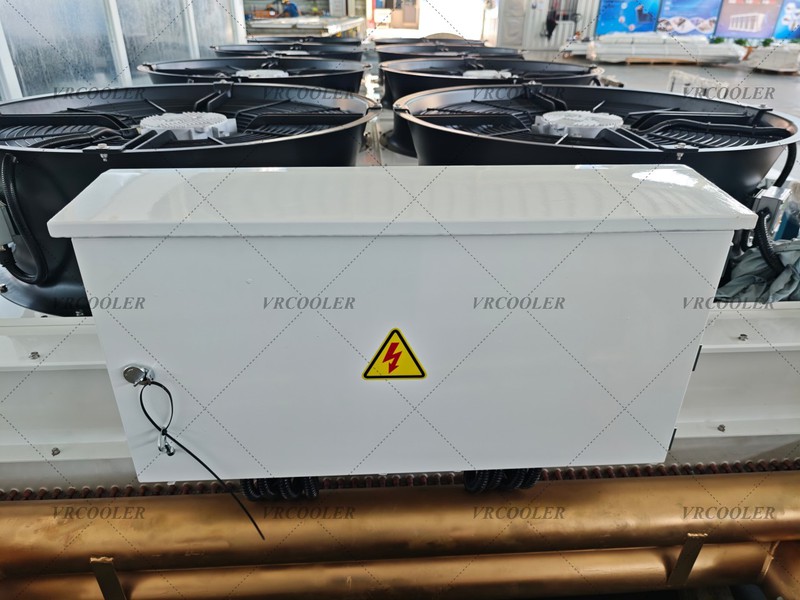
Variable frequency intelligent temperature control: The PT100 oil temperature sensor is linked to the variable frequency fan, which automatically adjusts the air volume according to the oil temperature (1 unit starts at 40 ℃, fully starts at 50 ℃), and reduces the fan speed during low load in winter to save energy and reduce consumption.
Remote monitoring: integrating oil temperature, oil level, pressure, heat tracing faults, and fan status monitoring, connected to the SCADA system of the power plant/factory area, to achieve unmanned remote operation and maintenance in high-altitude environments.
Application advantages and value
Thoroughly solving the problem of antifreeze: heat tracing+low flow rate+temperature control interlock, preventing medium freezing and equipment freezing damage in winter. Compared with water cooling, it does not require winter water discharge or spring water injection, reducing operation and maintenance costs by 60%.
No water consumption, environmentally friendly: No need for cooling water, suitable for water scarce and cold regions in the north, in line with the dual carbon policy, avoiding water resource waste.
High reliability, minimal maintenance: simple structure, no complex waterways, anti-corrosion and anti blocking design, suitable for unmanned operation in high cold weather, annual maintenance frequency ≤ 2 times.
Full temperature range stability: -40 ℃~+40 ℃ fault free operation, balancing winter antifreeze and summer heat dissipation, ensuring stable output of equipment throughout the year.
5, Development Trends
Integrated design: dry cooler+heat tracing+temperature control+monitoring integrated design, reducing on-site installation and debugging, suitable for rapid station construction in high-altitude areas.
Predictive maintenance: By collecting operational data through the Internet of Things, predicting fin blockage and heat tracing faults, remote predictive maintenance can be achieved in high-altitude regions.
Low carbon and efficient: Using new aluminum alloy heat exchange materials and variable frequency energy-saving fans, the heat exchange efficiency is increased by 25%, energy consumption is reduced by 30%, and it is suitable for the development of green energy in high-altitude areas.