Air Coolers in Large Thermal Power Plants
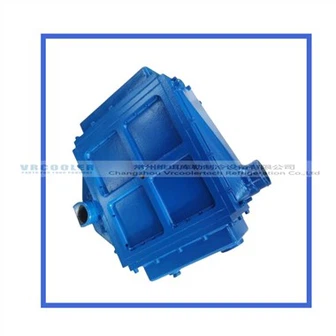
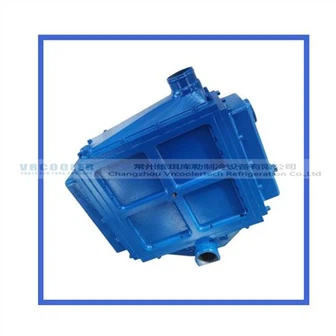
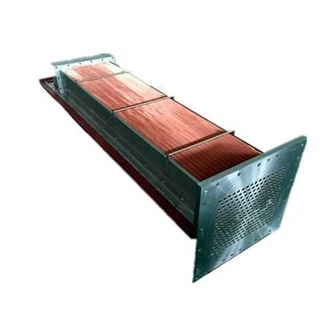
In large-scale thermal power plants, the efficient operation of giant generators cannot be achieved without air coolers, whose main function is to ensure that the generator operates normally within the permissible temperature.
Generator operation generates energy losses, mainly in the form of eddy current losses, and this lost power is transformed into heat inside the motor, heating the generator rotor and stator coils. If this heat is not dissipated in time, the excessive temperature may reduce the insulation strength of the generator coil's insulating material and cause insulation damage, thus affecting the normal operation of the generator and even shortening its service life.
By forcing the air to flow, the air cooler can effectively take away the heat generated during the operation of the generator and maintain its temperature within the normal range, ensuring the stable and reliable performance of the generator, and safeguarding the power generation efficiency and the stability of the power output. At the same time, this also helps to reduce the occurrence of equipment failures, reduce maintenance costs, and improve the overall operational efficiency and safety of thermal power plants.

Selecting the right air cooler for a large-scale thermal power plant requires consideration of several key factors:
1. cooling efficiency:
It is important to assess the ability of the cooler to remove heat under different operating conditions. For example, to see if it can quickly and effectively reduce the temperature of the generator when generating at full load.
You can refer to the cooling effectiveness data of air coolers used in similar sized power plants.
2. Reliability and durability:
Choose coolers made from high-quality materials, such as corrosion-resistant metals, to cope with the harsh operating environment of power plants.
Understand its manufacturing process and quality control procedures to ensure stable product quality.
For example, some well-known brands of coolers may be more reliable due to their strict production standards.
3. Size and installation suitability:
Measure the installation space of the power plant to ensure that the cooler can be installed and maintained without affecting the layout of other equipment.
Consider how the connections and interfaces to the generator and other related equipment are sized.
4. Maintenance and cleaning convenience:
The structure should be designed to facilitate routine inspection, cleaning and maintenance.
For example, designs with removable parts or easy access to the interior.
5. Energy saving performance:
Selecting a cooler with lower energy consumption can help reduce the overall operating costs of the plant.
For example, with high-efficiency fans or an optimised air duct design.