Air Coolers In Generator Systems
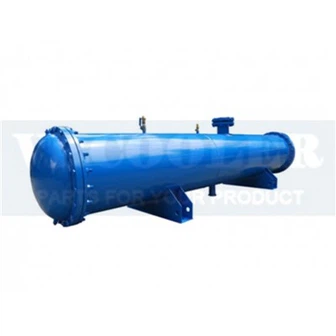
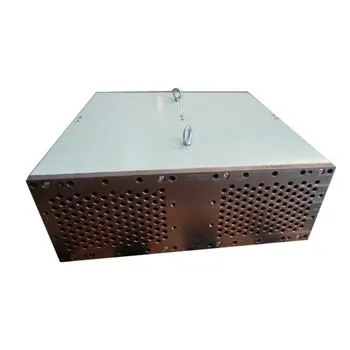
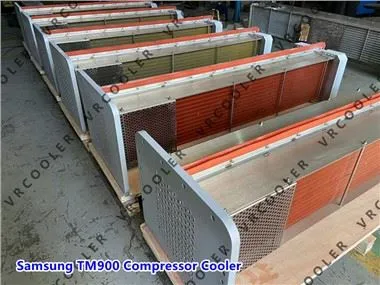
The use of air coolers in generator systems is a common practice that helps to regulate the temperature of the generator, improving its performance and longevity. Generators generate heat during operation, and controlling this heat is critical to preventing overheating and ensuring that the generator operates efficiently. Air cooling is one method used for this purpose.
Choose an air cooler that is appropriate for the size and power output of your generator. The cooler should have the ability to dissipate heat efficiently for generator operation.
Install the air cooler near the generator to ensure proper airflow and ventilation. It should be positioned so that cool air can be drawn in and hot air can be exhausted from the vicinity of the generator.

The air cooler should be connected to a fan or blower system that flows air through the various components of the generator, including the engine and alternator. This helps dissipate heat more efficiently.
Air coolers may use ambient air as the cooling medium. Some may also use water or a mixture of water and glycol (liquid cooling) in a closed loop system. In some cases, liquid cooling may be more efficient, especially for larger generators.
Regularly clean the air cooler's filter and make sure it is free of dust and debris. Proper maintenance is essential to ensure the system operates efficiently.
Using an air cooler in your generator system helps maintain a stable operating temperature, which is critical to the reliability and longevity of your generator. It also ensures that the generator operates at peak efficiency during power generation. However, it is important to properly design and install the cooling system, select the right components, and perform regular maintenance to keep it performing at its best. In addition, environmental factors, such as ambient temperature and humidity, are taken into account when designing a cooling system, as they may affect its effectiveness.