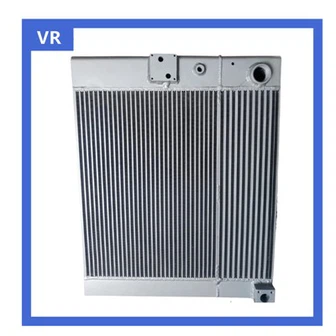
Air Cooler For Hydro Power Plant Generators
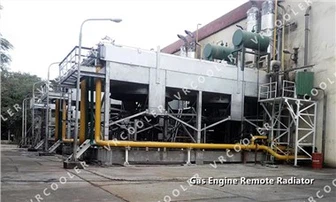
Air coolers play a crucial role in hydroelectric power plants, specifically for cooling the generators. Hydro power plants use generators to convert the kinetic energy of flowing water into electrical energy. These generators can become quite hot during operation, and effective cooling is essential to maintain their efficiency and prevent overheating.

Here are some key points about air coolers for hydro power plant generators:
1. Function: The primary function of air coolers in hydro power plants is to dissipate the heat generated during the operation of generators. This helps maintain the generators at a safe operating temperature and prevents damage due to overheating.
2. Generator Cooling: Hydro power plant generators typically consist of a rotor and a stator. Air coolers are used to cool the stator windings and other components of the generator. Keeping the stator cool is essential to maintain electrical efficiency and extend the generator's lifespan.
3. Airflow: Air coolers use forced convection to cool the generator components. Large fans or blowers circulate air over the stator windings and other heat-generating parts. The airflow helps carry away the heat and maintain a consistent temperature.
4. Cooling Medium: The cooling medium in air coolers is usually ambient air. The air is drawn from the surroundings, passes through the coolers, and is then expelled, carrying the heat away from the generator.
5. Design Considerations: Air cooler design for hydro power plant generators must consider factors such as the generator's size, power output, and cooling requirements. The design should ensure that the cooling system can handle the heat generated during peak load conditions.
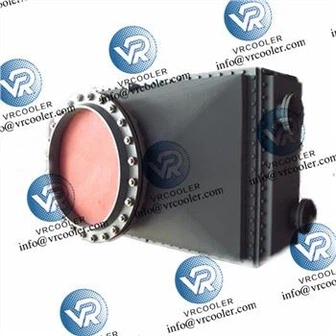
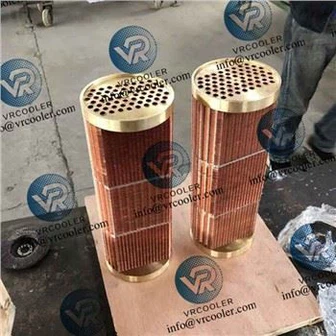
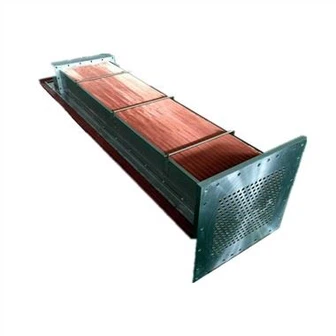
6. Heat Exchanger: Air coolers consist of heat exchanger coils or fins that maximize the surface area available for heat exchange. These coils are typically made of materials with good heat conductivity.