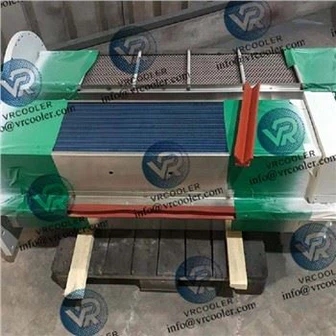
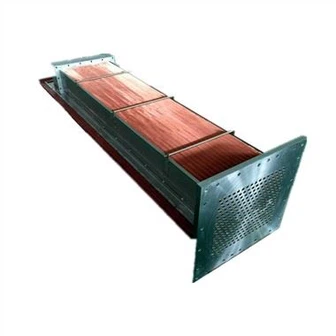
Air Cooler For Gas Turbine Inlet Air Cooling System
Air Cooler for Gas Turbine Inlet Air Cooling System
Why Gas Turbine Inlet Air Cooling is Needed
Power Output: The power output of a gas turbine is highly dependent on the inlet air temperature. As the temperature of the inlet air increases, the air density decreases. A gas turbine compresses a fixed volume of air, so with lower - density air, the mass of air entering the turbine is reduced. This leads to a decrease in the power output of the gas turbine. By cooling the inlet air, the air density increases, allowing more mass of air to enter the turbine, thereby increasing its power output.
Efficiency: Cooling the inlet air also improves the thermal efficiency of the gas turbine. A lower inlet air temperature reduces the work required by the compressor, and more of the fuel energy can be converted into useful work, improving the overall efficiency of the power - generation process.
Design Considerations
Cooling Capacity: The cooling capacity of the air cooler should be designed based on the maximum expected inlet air temperature, the desired outlet air temperature, and the mass flow rate of the inlet air. This ensures that the gas turbine can achieve the required power output and efficiency under different operating conditions.
Airflow Distribution: Proper airflow distribution across the air cooler is essential to ensure uniform cooling of the inlet air. Non - uniform cooling can lead to temperature variations in the turbine inlet, which can affect the turbine's performance and reliability.
Material Selection: The materials used in the air cooler should be able to withstand the environmental conditions, such as corrosion from moisture and contaminants in the air. For example, in coastal areas, the materials should be resistant to salt - water corrosion.