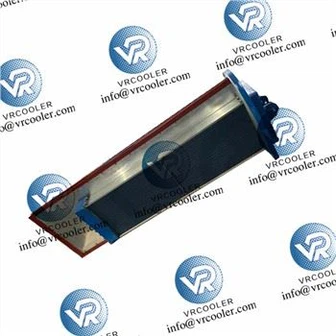
Air Compressor Waste Heat Utilization For Textile Dyeing
Textile dyeing is an energy-intensive process that requires large amounts of hot water and thermal energy for dye baths, washing, and drying. At the same time, industrial air compressors used in textile mills reject a significant amount of heat during operation. Air compressor waste heat utilization allows textile dyeing plants to recover this energy and reuse it, reducing fuel consumption, operating costs, and carbon emissions.

Waste Heat from Air Compressors
Up to 90–95% of the electrical energy consumed by an air compressor is converted into heat. This heat is normally lost to the atmosphere through cooling systems. By installing a heat recovery system, this otherwise wasted energy can be captured and reused in textile dyeing processes.
Recovered heat can be obtained from:
Compressor cooling oil
Aftercoolers and intercoolers
Hot discharge air
Applications in Textile Dyeing Plants
Recovered compressor heat is well suited for common dyeing operations, including:
Preheating process water for dyeing and washing
Hot water supply for dye baths (50–80°C)
Boiler feedwater preheating
Drying and finishing process support
Space heating in production areas
Heat Recovery System Configuration
A typical waste heat recovery system for textile dyeing includes:
Oil-to-water or air-to-water heat exchangers
Insulated hot water storage tanks
Temperature and flow control valves
Integration with existing dyeing machines or boilers
The system operates automatically and does not affect compressor performance.
Key Benefits for Textile Dyeing Operations
Reduced steam and fuel consumption
Lower energy costs for dyeing and washing
Short payback period, often less than 1–2 years
Stable hot water supply independent of boiler load
Lower CO₂ emissions and improved sustainability
Typical Energy Savings
In a medium-scale textile dyeing plant, air compressor heat recovery can supply:
50–70% of hot water demand for dyeing preparation
Significant reduction in boiler operating hours
Annual energy savings of 20–30% in thermal consumption
Actual savings depend on compressor size, operating hours, and hot water demand.
Reliability and Maintenance
Air compressor waste heat recovery systems are:
Simple in design with low maintenance requirements
Compatible with new or existing compressors
Designed for continuous industrial operation
Built with corrosion-resistant materials for long service life
Conclusion
Air compressor waste heat utilization is a highly effective energy-saving solution for textile dyeing plants. By recovering and reusing heat that would otherwise be wasted, textile manufacturers can reduce operating costs, improve energy efficiency, and support sustainable production without disrupting existing processes.