Air Compressor Waste Heat Recovery
Air compressor waste heat recovery
Air compressor waste heat recovery is a technology that recovers and reuses the waste heat produced by air compressors. An air compressor is a device that compresses air into a high-pressure gas used in a variety of applications, such as industrial production, manufacturing, and construction sites. During the operation of an air compressor, a large amount of heat is generated as the air is compressed.
Conventional air compressors usually discharge this waste heat directly into the surrounding environment, resulting in a waste of energy. In order to improve the efficiency of energy use and reduce energy consumption and environmental impact, waste heat recovery technology has been introduced to reuse the waste heat.

Waste heat recovery is usually carried out in the following ways:
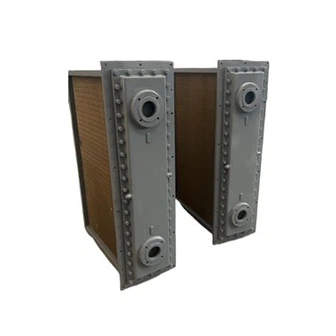
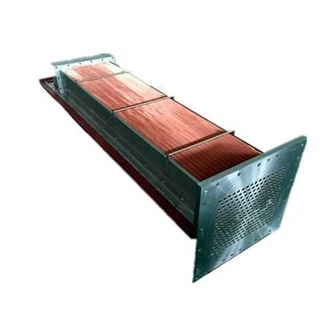
Air cooling: A cooler or heat exchanger in the waste heat recovery system cools the hot air emitted from the air compressor and releases it into the outside air to reduce wasted heat.
Water cooling: Water is used to cool the waste heat, which is transferred to water through a heat exchanger, and then the cooled hot water is used for heating or other purposes to reuse the waste heat.
Steam Recovery: Some air compressor waste heat recovery systems can convert waste heat into steam, which can then be used to heat other fluids or for heating operations in industrial processes.
Waste heat recovery technology can significantly improve the energy efficiency of air compressors, reduce energy costs and minimise the negative impact on the environment. This is particularly important for companies and factories seeking to save energy and protect the environment. Therefore, for companies using air compressors, they can consider introducing waste heat recovery systems to achieve sustainable energy utilisation. Specific waste heat recovery solutions need to be customised according to the size, use and operating conditions of the air compressor.