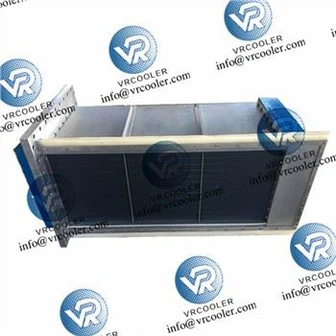
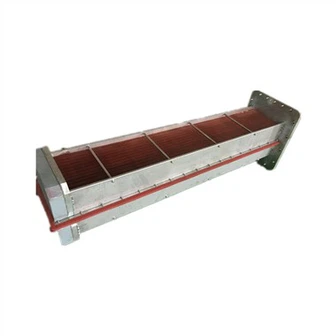
Air Compressor Intercooler, Aftercooler And Oil Cooler Design
Air Compressor Intercooler, Aftercooler and Oil Cooler Design
The intercooler, aftercooler, and oil cooling system of the air compressor are an important part of ensuring the stable operation of the air compressor and improving efficiency.

The following are the design principles of these three systems:
1. Intercooling system design
The main purpose of the intercooling system is to cool the compressed air when the compressor is under high temperature and high pressure. The key points of the intercooler system design include:
Radiator design: Choose a high-efficiency radiator to ensure sufficient heat dissipation area. The radiator should be able to dissipate heat effectively under various environmental conditions.
Cooling medium: Choose a suitable cooling medium, usually water or air. Water-cooled systems are usually more effective, but consideration need to be given to the quality of the water, the choice of preservative, and the tightness of the system.
Temperature control: Install temperature sensors and control systems to maintain a stable temperature in the intercooling system. Excessively high or low temperatures may affect the performance of the compressor.
2. Aftercooling system design
The design of the aftercooling system is aimed at reducing the humidity in the high temperature and high pressure air, improving the air dryness and preventing the subsequent equipment from being affected by moisture.
Cooling tower or condenser: Choose suitable cooling equipment to ensure that the hot gases discharged from the compressor can be quickly cooled and condense the moisture.
Drainage system: set up an effective drainage system to remove the moisture after cooling and prevent the moisture from entering the subsequent equipment to avoid corrosion and affecting the life of the equipment.
3. Oil cooling system design
The design of the oil cooling system is mainly to ensure that the lubricating oil inside the compressor maintains stable performance under high temperature and high pressure environments.
Cooling oil temperature control: install oil temperature sensors and oil coolers to keep the oil temperature within the appropriate range. Excessive oil temperatures may lead to oxidation of the oil and damage to the lubricating properties.
Oil cooler: Select an oil cooler of appropriate size and efficiency to ensure that the lubricating oil is adequately cooled. Oil coolers are often combined with intercooler systems for cooling.
Oil filtration system: Establish an effective oil filtration system and change the filter element regularly to keep the oil clean. Clean oil helps to reduce friction and improve lubrication.