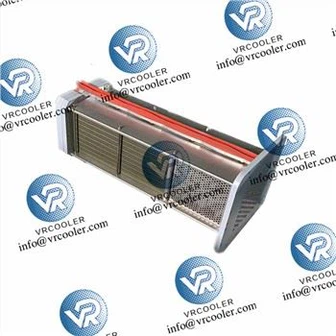
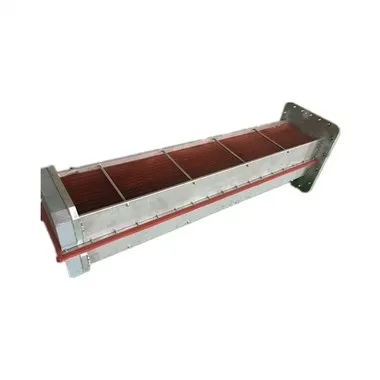
Air Compressor Heat Recovery For Textile Dyeing Using Shell & Tube Heat Exchangers
The textile dyeing industry consumes large amounts of thermal energy for processes such as water heating, dye bath preparation, washing, and drying. At the same time, compressed air systems-widely used throughout textile factories-generate significant waste heat during compression. With the adoption of air compressor heat recovery systems using shell and tube heat exchangers, factories can capture this wasted thermal energy and convert it into usable hot water, dramatically reducing fuel costs and emissions.

Why Use Heat Recovery from Air Compressors?
Industrial air compressors convert nearly 90–95% of electrical energy into heat. Traditionally, this heat is discharged into the atmosphere via cooling fans or water cooling systems. By installing a heat recovery unit, this heat can be recovered and repurposed.
-
Key Benefits
Significant energy savings (20–30% reduction in boiler load)
Hot water generation up to 60–80°C without extra fuel
Reduced steam consumption in dyeing and washing
Lower carbon emissions
Fast ROI (6–12 months) depending on compressor size and operating hours
Role of Shell and Tube Heat Exchangers in Heat Recovery
Shell and tube heat exchangers are the preferred technology for recovering heat from lubricated and oil-free air compressors due to their durability, thermal performance, and ability to handle high-pressure fluids.
-
Why Shell & Tube Designs Work Best
High heat transfer efficiency between compressor cooling oil and process water
Can operate with high oil pressures and temperatures
Easy to maintain and clean
Long service life in textile environments
Suitable for continuous 24/7 operation
-
Typical Flow Configuration
Hot compressor oil (or cooling water) enters the tube side
Soft water for process heating flows through the shell side
Heat is transferred efficiently, producing hot water for dyeing processes.
Application in Textile Dyeing Operations
Recovered hot water is used in multiple textile dyeing stages:
1. Dye Bath Preparation
Preheated water reduces the steam requirement for mixing dyes and maintaining target bath temperatures.
2. Scouring and Bleaching
These processes require large volumes of hot water (60–95°C). Heat recovery reduces boiler energy costs significantly.
3. Rinsing and Washing
Using recovered heat stabilizes washing temperatures and reduces fuel consumption.
4. General Plant Hot Water
Heat recovery contributes to:
Bathroom and facility hot water
Preheating feedwater for boilers
Chemical preparation tanks