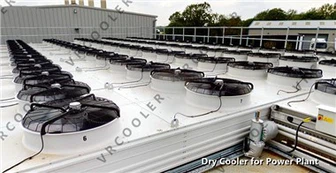
Aftercooler Used For Outlet Air From Compressor
Aftercooler used for outlet air from compressor
An aftercooler is a type of heat exchanger that is commonly used to cool the outlet air from a compressor. It is typically installed downstream of the compressor and before any downstream equipment, such as receivers or dryers.
The purpose of an aftercooler is to remove heat from the compressed air to prevent downstream equipment from being exposed to high temperatures that may damage the equipment or reduce its effectiveness. Additionally, cooling the compressed air can help to reduce the amount of moisture that may condense out of the air, which can also help to protect downstream equipment.
Aftercoolers can be designed in various configurations, such as air-cooled or water-cooled. Air-cooled aftercoolers use ambient air to cool the compressed air, while water-cooled aftercoolers use water to remove heat from the compressed air. The choice of aftercooler will depend on the specific requirements of the system, such as the desired outlet air temperature, the available cooling water or air, and the space limitations.
When selecting an aftercooler for use with an air compressor, it is important to consider the compressor's discharge temperature and volumetric flow rate. The aftercooler must be sized appropriately to handle the specific conditions of the compressor and provide the desired outlet air temperature.
Overall, an aftercooler is an important component in a compressed air system that can help to protect downstream equipment and improve system performance. By removing heat from the compressed air, an aftercooler can help to reduce the risk of damage to downstream equipment and improve the efficiency and reliability of the compressed air system.